

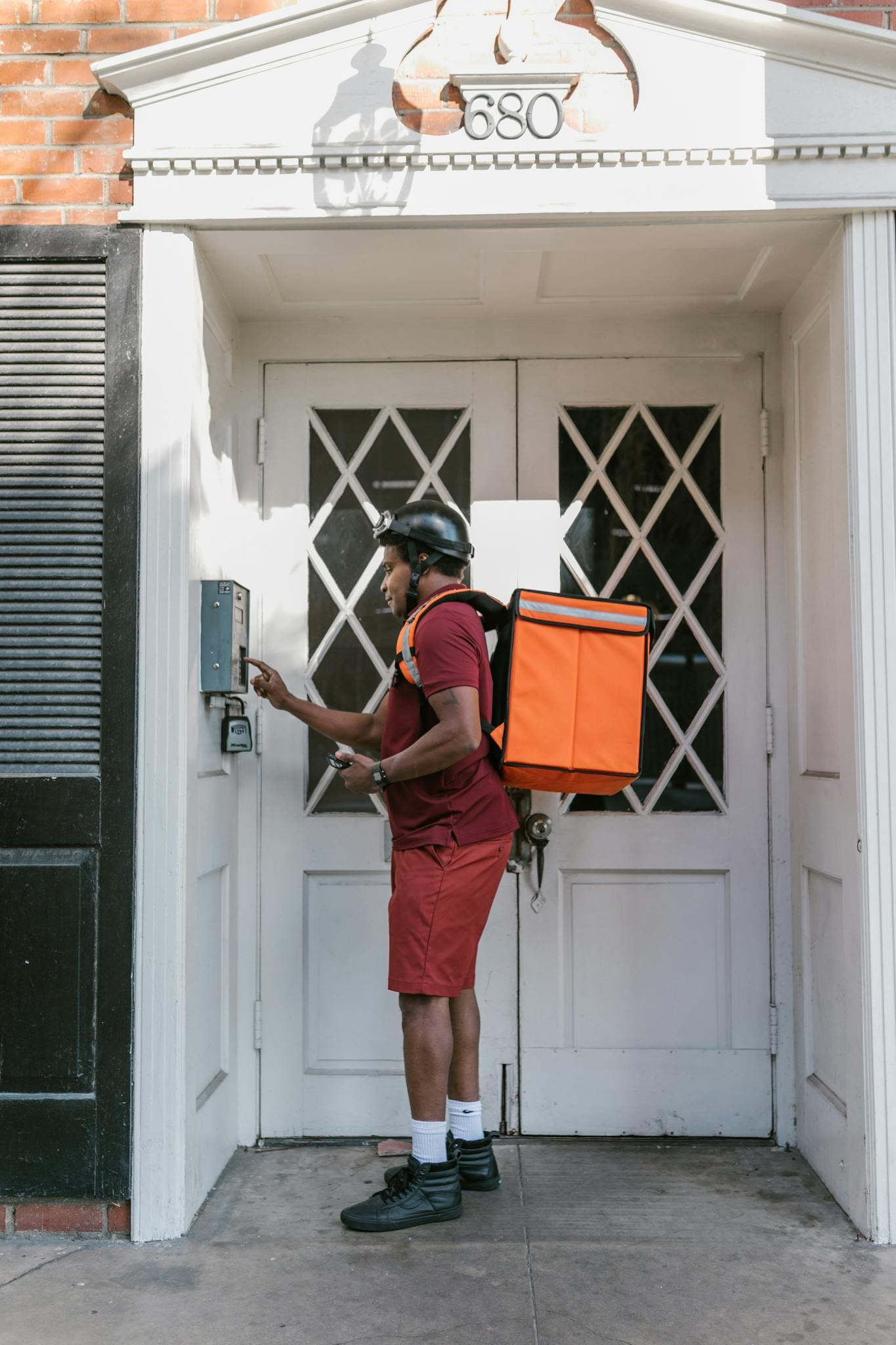
Courier tracking becomes useful when you are waiting for a parcel and need to know whether it is still moving or already close to your home. tirupaticouriertracking.com can help readers understand tracking numbers, shipment statuses, delivery stages, delays, and practical courier-related questions without making the process unnecessarily complicated. A parcel may pass through several facilities before reaching the final address, and the tracking page usually records only certain points along that journey. Understanding those points can make everyday home delivery much easier to manage.
Keep Your Tracking Number Ready
Every shipment normally has some form of tracking reference that helps identify the parcel inside the courier network. Customers can usually find this number in an order confirmation, dispatch message, shipping receipt, seller account, or email. Depending on the courier, the reference may contain numbers, letters, or a combination of both. Customers should save the original message until the delivery has been completed successfully.
Typing the reference manually can sometimes create problems because similar characters are easy to confuse. Copying the number directly from a reliable source can reduce those mistakes. Customers should also make sure they are using the correct tracking service for that particular shipment. Sellers may use different courier companies for different orders, especially when products are dispatched from separate locations.
Check When Shipment Started
The date when a tracking number was created does not always represent the exact moment when the courier physically received the parcel. Sellers can sometimes generate shipping information before the package is collected. This means a customer may receive a tracking reference while the courier page still shows very little movement information.
The first meaningful scan is usually more useful for understanding whether the parcel has entered the courier network. If the tracking page remains blank shortly after receiving a dispatch notification, customers may simply need to wait for the initial processing stage. When the delay becomes unusually long, asking the seller whether the package was actually handed over can provide a clearer answer.
Read The Complete Tracking History
Looking only at the newest status can sometimes create confusion because one short phrase does not explain the entire journey. Reading the previous updates can show where the parcel started, which facilities it has already passed through, and whether it has been moving regularly. This becomes particularly useful when customers believe the shipment has been stuck somewhere.
The order of updates also matters because courier systems record events at different times. A parcel can appear to remain in one location even though it has already moved toward another facility, especially when information takes time to appear online. Customers should therefore consider the dates and times attached to the updates before reaching a conclusion.
Understanding Courier Facilities
Courier facilities are places where parcels may be sorted, processed, stored temporarily, or prepared for transportation. A package can pass through several facilities depending on the distance between sender and recipient. Some shipments may travel through regional hubs before reaching a smaller local center closer to the destination.
Seeing a facility name that looks unfamiliar is not automatically a problem. Customers may not recognize every location used by a courier network. The important information is whether the shipment continues receiving relevant updates and remains within a reasonable delivery period. A strange facility name does not by itself mean that the parcel has gone to the wrong place.
Why Parcels Change Locations
A shipment may appear to move through several cities before reaching its final destination. This happens because courier companies often organize transportation through central sorting and distribution facilities. The most direct geographical route is not necessarily the route used by the courier’s operational network.
Customers sometimes become concerned when a package appears farther away from home after previously reaching a nearby location. Such movement can happen because the parcel is being redirected through another processing hub. Without knowing the courier’s internal network, it is difficult to judge a route simply by looking at individual locations. The overall tracking sequence gives more useful information.
What In Transit Really Means
An in-transit status generally indicates that the shipment is progressing through the courier system. The parcel could be traveling between facilities, waiting for another scheduled transportation stage, or moving toward a destination center. The status does not usually provide enough information to determine the exact physical location of the package at every moment.
Long-distance shipments can remain under this status for a reasonable amount of time. Transportation schedules, route distances, shipment volume, and local operating conditions can all influence how long a package remains between visible scans. Customers should compare this information with the expected delivery date instead of assuming that every extended transit period represents a serious delay.
When Processing Takes Longer
Processing can take longer during periods when courier facilities receive unusually large numbers of shipments. Holidays, shopping events, seasonal demand, and operational changes can increase the workload. A package may remain under processing while waiting to be sorted or assigned to its next transportation stage.
Customers should pay attention to how long the status remains unchanged. A few hours or a reasonable operational period may not be unusual. When the same status continues far beyond the estimated delivery timeframe, contacting the courier or seller becomes more appropriate. The tracking reference should be provided when asking for assistance.
Understanding Destination Facilities
When a shipment reaches a destination or local facility, it generally means the parcel has progressed closer to the recipient. This is usually an encouraging update, but it does not guarantee immediate doorstep delivery. Local sorting and route preparation may still need to happen before the parcel is assigned to a delivery person.
Customers should avoid planning around an exact delivery time simply because the package has reached the destination area. The final stage can depend on the number of parcels scheduled for that route and other local factors. Waiting for an out-for-delivery update gives a stronger indication that the package has entered its final journey.
Preparing For Final Delivery
When a parcel is approaching final delivery, customers can make the process easier by keeping someone available at home when necessary. This matters particularly for shipments that require a signature, direct handover, or other verification. Customers should check any instructions provided by the seller before delivery day arrives.
If the property has a security gate, restricted access, or a difficult entrance, useful delivery instructions may need to be provided through an approved channel. Delivery personnel may not be able to spend a long time trying to solve access problems at each address. Clear information can prevent avoidable failed attempts.
Understanding Delivery Attempts
A delivery attempt means the courier tried to complete the final handover but could not necessarily finish it. The reason can vary from recipient unavailability to an address issue or access problem. Customers should read the specific explanation shown in the tracking information instead of assuming that the package was refused.
Some couriers may make another attempt automatically, while others may require customer action. The process depends on the company’s policies and shipment circumstances. If the tracking page gives a specific instruction, customers should follow it promptly rather than waiting for another unexplained update.
When Nobody Can Receive It
Customers who are away from home during working hours may regularly face missed delivery attempts. Planning ahead can help when the courier provides enough information about the delivery stage. A family member or another authorized person may sometimes receive the package, although requirements can differ for certain shipments.
Customers should not assume that a delivery agent can leave every parcel with a neighbor or at the entrance. Some packages may require direct receipt or verification. If nobody will be available, checking the courier’s available options can help prevent unnecessary failed attempts.
Handling Address Errors
Address errors are among the most practical reasons a shipment can fail during final delivery. A wrong house number, missing apartment detail, incorrect locality, or inaccurate postal code can make a correct shipment difficult to deliver. Customers should check these details carefully before an order is dispatched.
When tracking shows an address problem, the customer should contact the sender or authorized courier support channel. Some changes may require approval from the sender, while other changes may not be possible once the parcel reaches a particular stage. Acting quickly can therefore make a difference.
When Delivery Goes Beyond Expected Date
An estimated delivery date provides a useful reference but does not always represent an exact guarantee. Courier operations can be affected by transportation issues, workload, local conditions, weather, holidays, and other circumstances. A small difference between the estimated date and actual delivery can therefore happen.
A significant delay deserves closer attention, especially when the tracking history has stopped changing. Customers should collect the tracking number, latest scan, expected date, and order information before contacting support. Clear information makes it easier for the courier or seller to investigate what happened.
Checking Multiple Tracking Numbers
Households can sometimes have several packages moving simultaneously. Keeping multiple tracking numbers in separate notes can prevent one shipment from being confused with another. Customers can write down the product name, tracking reference, seller, and estimated delivery date for each active parcel.
This becomes particularly useful when several items come from one online order. Sellers sometimes divide orders into separate shipments because products are stored at different locations. One package arriving earlier does not automatically mean the remaining packages are delayed. Each shipment should be checked according to its own tracking information.
Tracking Household Appliances
Appliances and other expensive household products can require more attention than ordinary parcels. Customers should review delivery instructions before the shipment arrives and ensure there is enough access space for the item. Some large products may also involve separate installation arrangements that are not included in standard courier tracking.
Customers should keep purchase documents and delivery information until the item has been checked properly. If the package arrives with obvious external damage, photographs can be useful when following the seller’s complaint procedure. Packaging should not be discarded immediately when there is a possibility that a return or replacement will be required.
Tracking Important Paperwork
Documents can have deadlines that make courier tracking more important than usual. Applications, certificates, contracts, official papers, and business documents may need to reach a specific person or organization on time. Customers should monitor these shipments and respond quickly if the tracking information indicates a serious delay.
Keeping a digital copy of important paperwork can also provide an extra layer of convenience. The tracking reference confirms shipment movement but does not replace the document itself. If the courier cannot complete delivery, the sender may need to arrange another solution depending on the importance of the paperwork.
Keeping Delivery Information Private
Tracking pages can sometimes display more information than customers expect. Names, destination details, phone numbers, order references, and shipment information may appear together. Customers should avoid sharing complete screenshots publicly unless necessary for a specific purpose.
When requesting help online, only the relevant information should ideally be shared. Private details can be hidden before a screenshot is posted or sent. Protecting shipment information is a simple habit that can reduce unnecessary exposure of personal data.
Watching For Fake Notifications
Unexpected courier messages deserve some caution, particularly when they request payment or sensitive personal information. Fraudulent messages can claim that a package is held because of an unpaid fee, incorrect address, verification requirement, or delivery charge. Customers should verify such requests independently before taking action.
The safest approach is to access the courier or seller through a known official source rather than using a suspicious link inside an unexpected message. Customers should never provide passwords, banking credentials, card information, or one-time codes merely because a message mentions a delivery. A genuine parcel does not make every related message trustworthy.
Using Tracking On Mobile
Mobile tracking is convenient because customers can check shipment information while working, travelling, or handling household responsibilities. A phone usually provides enough access to enter the tracking reference and read the latest available status. Customers should still verify the address of the tracking service before entering information.
People should be especially careful with links received through random messages or unfamiliar websites. If a tracking page suddenly requests information that seems unrelated to shipment movement, customers should stop and verify the source. Ordinary tracking should not normally require highly sensitive financial credentials.
When Tracking Shows Nothing
A tracking search that returns no information can happen shortly after dispatch. The courier may not have scanned the parcel yet, or the seller may have generated the shipment record before physical pickup. Customers should check when the seller said the package was actually dispatched before becoming concerned.
If several days pass without useful information, contacting the seller is usually a sensible step. The seller can confirm whether the parcel was handed over and whether the tracking reference is correct. This can quickly identify whether the problem is simply a delayed first scan or something that requires further investigation.
Making Tracking Less Stressful
Customers often make the tracking process more stressful by checking the same status repeatedly. New information appears when the courier records another event, so refreshing the page every few minutes cannot normally create an update. Checking at sensible intervals is usually enough for ordinary shipments.
More frequent checking becomes reasonable when a parcel is already marked out for delivery or when a time-sensitive document is approaching its deadline. Even then, customers should remember that tracking provides estimates and recorded events rather than guaranteed arrival times. Some flexibility remains useful until the parcel is physically received.
Keeping Records Until Delivery
Customers should keep the original shipping information until the package has arrived safely. The message or receipt may contain useful information about the tracking reference, seller, order, delivery estimate, and support contact. Losing this information can make a later delivery problem harder to explain.
Once the shipment is completed, old tracking details can be removed when they no longer serve a practical purpose. For expensive purchases, keeping invoices and order information longer may still be useful because returns, warranties, or replacements can involve additional communication. Good record keeping should remain practical rather than excessive.
Final Advice For Home Deliveries
Courier tracking gives customers useful visibility into shipment progress, but it should not be treated like a perfect live location system. Tracking updates represent recorded events, and gaps between those events can happen during ordinary transportation. The most useful information usually comes from combining the latest status with the expected delivery period and the complete tracking history.
For smoother home deliveries, customers should keep their tracking reference ready, check addresses carefully, prepare for final delivery, monitor important shipments, and respond when a package clearly falls outside its expected timeframe. Privacy and online safety also matter because fake courier messages can create problems unrelated to the actual shipment. For more practical information about courier tracking, shipment updates, delivery statuses, and home delivery guidance, visit tirupaticouriertracking.com and explore the available resources for your courier tracking needs.
Read also :-
professional courier cover address format