

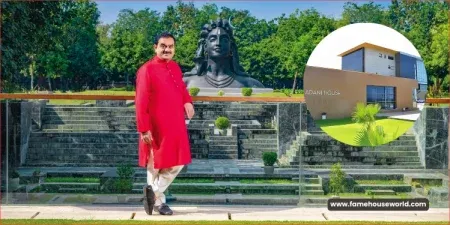
Homes owned by major business figures often receive attention because they combine unusual architecture, large spaces, expensive finishes, and highly personalized living arrangements. famehouseworld.com offers readers another place to explore business personalities, luxury homes, lifestyle details, and the property choices associated with successful entrepreneurs. A large residence can tell people something about personal preferences, but it can also reveal practical decisions involving privacy, work, family life, entertainment, and security. Not every impressive feature exists simply to look expensive. Some features solve ordinary problems on a much larger scale. Private entrances, dedicated offices, large kitchens, guest facilities, landscaped grounds, and controlled access can all make sense when a household has many people, frequent visitors, or demanding schedules.
Reading The Overall Property
The first useful step when looking at a luxury residence is understanding the property as a complete space rather than focusing on one impressive room. A large home may contain several connected buildings, outdoor areas, garages, staff facilities, and private sections that serve different purposes. The relationship between these areas can explain how the property actually functions during normal days. A house with extensive entertaining space may have separate guest access, while a family-focused residence may place private rooms farther away from formal areas. The surrounding land also matters because gardens, driveways, pools, sports facilities, and security boundaries can occupy a substantial part of the property. Looking at the whole arrangement gives a better idea of how the residence supports daily life.
Finding A Private Entrance
Large homes often need more than one entrance because different visitors and household activities may require different access arrangements. A main entrance can provide a formal arrival point for guests, while another entrance may be used by family members, staff, deliveries, or service workers. Separating these routes can improve privacy and reduce unnecessary movement through important living areas. Driveways also need enough space for vehicles to approach, turn, park, and leave without creating congestion. Covered entrances can provide additional convenience during poor weather. The design of an entrance can therefore involve security, appearance, vehicle movement, and household privacy at the same time. An impressive front door may attract attention, but the less visible access points can be just as important to the property’s practical design.
Exploring Large Kitchen Spaces
Kitchens in very large residences can become more complicated because they may need to support family meals, professional cooking, entertaining, and household staff. A main kitchen might be designed around everyday use, while another preparation area handles heavier cooking or catering tasks. Storage becomes important because large households may require substantial supplies, cookware, appliances, and serving equipment. Refrigeration and freezer space can also be divided according to different uses. Islands and counters need enough clearance so several people can work without constantly getting in one another’s way. A beautiful kitchen still needs sensible dimensions because excessive furniture or equipment can make movement difficult. Practical layout often matters more than the number of expensive appliances installed inside the room.
Designing Personal Retreats
A large residence can provide private spaces where household members can step away from busy social areas. Bedrooms, reading rooms, private lounges, small balconies, and quiet sitting areas can all serve this purpose. These spaces do not necessarily need dramatic decoration because their main value may come from privacy and comfort. Windows, lighting, sound control, furniture arrangement, and access to bathrooms can influence how useful a private room feels. A business owner who spends much of the day handling meetings and communication may value a quiet room more than another large entertainment area. Personal retreat spaces also give family members greater independence when several people share the same property. The overall design can therefore include both highly social rooms and intentionally quiet sections.
Understanding Private Fitness Areas
Large homes sometimes include dedicated fitness spaces because owners may prefer exercising without traveling to a commercial facility. A home gym can contain strength equipment, cardio machines, stretching areas, changing facilities, or other exercise-related spaces. The dimensions of the room matter because exercise equipment requires clearance around moving parts and users need enough room to move safely. Ventilation and flooring can also become important when the space is used regularly. A gym does not need every type of equipment to be useful. The most practical arrangement depends on the owner’s preferred activities and available space. Having a dedicated fitness room can also make exercise easier to fit around an unpredictable work schedule, although the equipment still needs regular maintenance.
Making Parking More Practical
Vehicle storage becomes more important when a property contains several cars, larger vehicles, or additional transportation equipment. A large garage may need enough width for people to open doors comfortably while keeping vehicles protected. Storage for tools, cleaning equipment, spare materials, and other vehicle-related items can also be incorporated. Turning space matters when several vehicles use the same entrance or driveway. Covered parking can protect vehicles from weather while controlled access can improve privacy. Some properties may also include separate areas for visitor parking so guests do not need to enter private garage spaces. The size of the garage is only one consideration because the surrounding driveway and access route determine how easily vehicles can actually move through the property.
Using Technology Around Home
Technology can become a major part of modern luxury residences, especially when the property contains many separate systems. Lighting, temperature control, security cameras, entertainment equipment, doors, blinds, and other features may be connected through centralized controls. Smart technology can make a large property easier to manage because owners do not need to operate every system manually. However, more technology also creates additional maintenance requirements. Network connections need to remain reliable, software may require updates, and equipment can eventually become outdated. A practical smart home should therefore include systems that people can understand and maintain rather than adding technology simply because it is available. Backup controls can also be useful when digital systems experience technical problems.
Creating Outdoor Living Areas
Outdoor spaces can become extensions of the main home when weather and property conditions allow regular use. Covered seating, outdoor kitchens, dining areas, pools, landscaped gardens, and shaded spaces can support different activities throughout the year. Furniture needs to be selected according to weather exposure, while lighting can affect how the area functions after sunset. Drainage becomes particularly important around large paved areas and swimming pools. Outdoor kitchens also require practical connections for water, electricity, and cooking equipment. A large garden may look impressive in photographs, but maintaining plants, lawns, pathways, and decorative features requires ongoing work. Outdoor design is therefore a combination of appearance, comfort, access, maintenance, and environmental conditions.
Planning Guest Accommodation
Guest accommodation can provide visitors with greater privacy while reducing pressure on the main family areas. Large homes may include separate guest bedrooms, guest suites, or even detached guest buildings. A useful guest space normally includes sleeping arrangements, storage, bathroom access, and enough room for visitors to move comfortably. Separate access can make longer stays more convenient because guests do not need to pass through private household areas. Location also matters because placing guest accommodation too far from the main building can make ordinary communication inconvenient. On the other hand, keeping it completely separate can provide valuable privacy. The right arrangement depends on how often guests visit and how independently they are expected to use the property.
Considering Natural Light
Large residences often use windows, glass walls, skylights, and open layouts to bring natural light into interior spaces. Window placement can influence the appearance of furniture, flooring, artwork, and other interior features throughout the day. Large windows can also create challenges involving heat, glare, privacy, and cleaning. Curtains, blinds, tinted glass, and external shading can help manage these issues. Rooms facing different directions may receive very different amounts of sunlight. This can affect which spaces work well as offices, bedrooms, lounges, or entertainment areas. Natural light therefore becomes a design consideration rather than simply a decorative feature. A well-planned home balances attractive views with comfortable interior conditions.
Keeping Art And Interiors Balanced
Interior decoration can become complicated when large rooms contain expensive artwork, furniture, sculptures, and decorative objects. Too many large pieces can make a room feel crowded even when the property itself is enormous. The size of artwork should generally relate to the wall and surrounding furniture so the arrangement feels visually balanced. Lighting can also influence how paintings, sculptures, and architectural features appear. Some pieces may require controlled temperature, humidity, or specialized protection depending on their materials. This means decoration can involve practical planning as well as personal taste. Luxury interiors are often more effective when individual pieces have enough surrounding space to remain noticeable rather than competing with everything else in the room.
Managing Household Operations
Large homes function almost like small private organizations because many systems and people may be involved in keeping them operational. Cleaning schedules, gardening, maintenance, security, deliveries, repairs, and household supplies all require some level of coordination. Storage areas can help keep everyday supplies away from formal living spaces. Service routes can allow workers to complete tasks without constantly entering private rooms. Maintenance records can also help track equipment inspections and repairs. When a property contains pools, elevators, large gardens, complex electrical systems, or multiple buildings, regular maintenance becomes particularly important. The visible luxury is only one side of ownership. Behind it is a continuing system of ordinary work that keeps the residence comfortable and functional.
Conclusion
Business tycoon homes can be understood more clearly when their practical design choices are considered alongside their visible luxury. Private entrances, kitchens, fitness areas, garages, guest spaces, technology, gardens, natural lighting, and household operations all contribute to how a large residence actually works. The size and price of a property may attract attention, but layout and daily usability explain much more about the living experience. famehouseworld.com can provide additional information for readers exploring business personalities, luxury residences, lifestyle details, and interesting property features. Looking beyond decoration can make these homes easier to understand as carefully organized spaces designed around privacy, comfort, work, family life, and personal preferences.
Read also :-
where does nischay malhan live
where does triggered insaan live
triggered insaan house location
triggered insaan new house address