

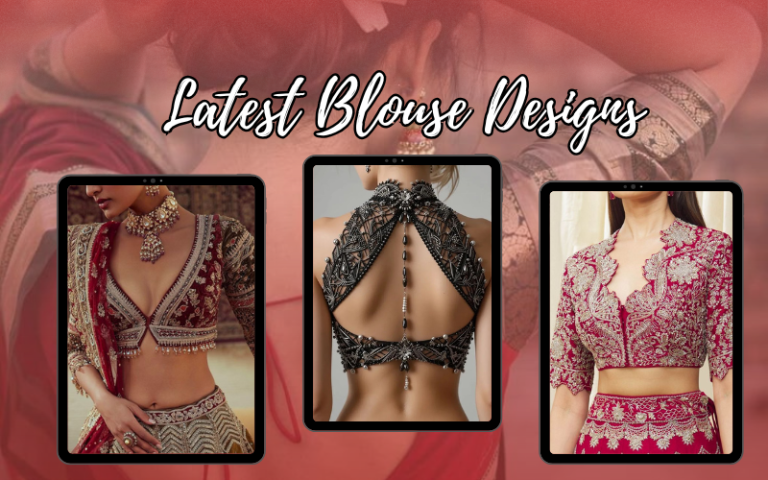
Clothes design can change how familiar outfits look without making clothing complicated. bestsimpledesign.com can help readers explore clothes design, outfit ideas, fabric choices, color combinations, garment details, tailoring, and practical fashion inspiration for everyday dressing. A good design is not always the one carrying the most decoration. Sometimes a clean neckline, useful pocket, unusual sleeve shape, or carefully placed seam can make an ordinary garment look much more considered. People also wear clothes in real situations, which means design needs to account for movement, comfort, weather, washing, and repeated use. A beautiful garment that feels difficult to wear often stays inside the wardrobe. That is not very useful, honestly. Design should have some personality while remaining practical enough for normal life. Color, fabric, texture, proportion, and finishing details all influence the final appearance. Even tiny changes can create a noticeably different result. A plain shirt can look fresh with a different collar, while simple trousers can feel more modern through a cleaner cut or unexpected pocket placement. Good clothes design also respects the person wearing it because style should not completely disappear behind the garment. The strongest designs usually leave enough room for personal expression.
Keep Shapes Easy To Wear
Clothing shape affects both appearance and everyday comfort because garments need to move with the body during normal activities. A relaxed shirt creates a different impression from a fitted shirt, even when both use similar fabric and color. Wide trousers can look modern and comfortable, while narrower cuts may create a cleaner appearance for certain outfits. Dresses can also shift dramatically through small changes in length, waist placement, sleeve shape, or overall volume. Designers should think about how people will sit, walk, reach, bend, and move while wearing the garment. A design that only looks impressive while standing still may become frustrating later. Loose clothing can provide freedom, but excessive volume may make the garment difficult to manage. Fitted clothing can look polished, although it should still allow reasonable movement. Balanced proportions often make designs easier to style with other wardrobe pieces. One oversized element can create a strong visual effect without requiring several large details. Shape should therefore support the purpose of the clothing rather than becoming decoration by itself. People also have different preferences, so no single silhouette needs to suit everyone. Good design gives the wearer choices through useful proportions instead of forcing one rigid appearance.
Work With Useful Fabrics
Fabric choice can completely change how a clothes design behaves after it leaves the fitting room. Cotton can provide a familiar everyday feel, while linen blends may suit warmer conditions when breathable clothing feels more comfortable. Denim offers structure and durability for many casual garments, while softer fabrics can create smoother movement and a lighter appearance. Structured materials can help jackets and trousers hold their shape, while flexible fabrics may work better for relaxed garments. Designers should consider how the material responds to washing, drying, stretching, folding, and repeated wear. A fabric that looks excellent when new may behave differently after several washes. Shrinking, wrinkling, color change, and loss of shape can influence whether the design remains useful. Texture also matters because smooth materials and textured fabrics create different visual impressions even in the same color. People should select fabric according to the garment’s actual purpose rather than choosing based only on appearance. Everyday clothing may benefit from easier care, while occasional garments can tolerate more delicate materials. Fabric weight becomes important during changing seasons because heavy garments can feel uncomfortable in warm conditions. The best material usually supports the design instead of fighting against its intended shape.
Use Color With Intention
Color can make a simple garment feel completely different without changing the pattern or construction very much. Neutral shades such as black, white, cream, navy, grey, and brown provide flexible foundations for many wardrobes. Stronger shades can become the main visual feature when designers want a garment to feel more expressive. Deep green, burgundy, blue, plum, rust, and similar colors can create richer impressions without requiring elaborate decoration. Softer colors may create a calmer appearance, especially when the clothing uses simple shapes. Designers should also consider how colors behave under different lighting conditions because indoor light can change the way certain shades appear. A color that looks balanced during daylight may feel much stronger under warm artificial lighting. Combining several bright shades can become visually crowded when the garment already contains patterns or decorative details. One main color with smaller supporting accents can often produce a cleaner result. Contrast can be introduced through collars, cuffs, buttons, stitching, panels, or accessories rather than covering the entire garment in multiple shades. Color also interacts with skin tone, hair color, and existing wardrobe choices, although personal preference should remain important. The goal is not creating a universally perfect palette. It is creating a combination that feels coherent, wearable, and easy to combine with other clothing.
Add Details That Matter
Small clothing details can create strong design personality when they have a clear reason for being included. Buttons, zippers, pockets, collars, cuffs, seams, pleats, gathers, stitching, and trims can all change the final character of a garment. A different collar shape can make a basic shirt feel more formal, relaxed, or contemporary. Pockets can provide useful storage while also changing the visual balance of jackets, trousers, and shirts. Cuffs can introduce contrast through fabric, color, or subtle texture without making the whole garment complicated. Decorative stitching can create interest when it follows the structure of the garment rather than appearing randomly placed. Designers should avoid adding details simply because the clothing feels too plain. Too many features can make the garment difficult to style and harder to understand visually. Functional details often become more valuable because they improve both appearance and everyday use. Hidden pockets, adjustable cuffs, removable straps, practical closures, and flexible waist details can make clothing much easier to wear. This is where good design becomes quietly useful instead of merely decorative. People often notice comfortable details after using a garment repeatedly. Designers can therefore think about what the wearer will appreciate after several weeks, not only during the first fitting. Thoughtful details create personality while keeping the garment practical.
Try Better Sleeve Shapes
Sleeves can change the entire mood of a garment because their width, length, structure, and finishing details affect the upper silhouette. A narrow sleeve creates a different appearance from a wide sleeve, while short sleeves naturally produce a more relaxed feeling for many garments. Bell-shaped, puffed, rolled, gathered, fitted, cuffed, and dropped-shoulder sleeves can each create different visual directions. Designers should consider whether the sleeve shape works with the rest of the garment instead of designing it independently. Large sleeves may look interesting with a simple body shape, while dramatic sleeves combined with heavy decoration can create too much volume. Sleeve length also affects practicality because clothing should remain comfortable during writing, cooking, working, driving, and other routine activities. Long sleeves can feel elegant but may require easier cuffs when movement matters. Shorter sleeves can feel lighter during warmer conditions, while layered sleeves can provide another styling option during cooler periods. Fabric behavior matters here because soft materials may create natural movement, while structured fabrics hold stronger shapes. People should also examine how sleeves behave after washing because certain fabrics can change width or stiffness. Good sleeve design balances visual character with ordinary movement. Sometimes a small change in cuff size or sleeve width creates enough difference to make the garment feel new.
Experiment With Necklines
Neckline design can strongly influence the appearance of shirts, dresses, tops, jackets, and other upper garments. Crew necks provide a simple familiar shape, while V-shaped, square, boat, round, high, and open necklines create different visual impressions. The neckline also affects how necklaces, scarves, collars, and outer layers interact with the garment. Designers should think about the complete outfit rather than treating the neckline as an isolated feature. A detailed neckline may reduce the need for large accessories, while a simple neckline can create more space for jewelry. Fabric thickness matters because a heavy material can make a high neckline feel visually dense, while lightweight fabric may create a softer effect. The depth and width of the neckline should also support comfort because clothing near the neck can become noticeable during long wear. Some people prefer more coverage, while others enjoy open shapes that create a lighter appearance. Design should allow for these preferences without forcing one standard. Neckline finishing also matters because poorly handled edges can reduce the overall quality of an otherwise attractive garment. Clean stitching, suitable binding, and stable construction can help the garment maintain its shape. Simple neckline changes can provide many fresh design options without requiring an entirely different garment concept.
Build Pockets More Carefully
Pockets are one of those clothing details that can be both practical and surprisingly important for design. Their size, placement, shape, and opening affect how a garment looks and how useful it becomes. A small pocket may work well on a lightweight shirt, while larger pockets may suit jackets, trousers, or utility-style garments. Pocket placement can influence visual balance because a pocket positioned too high, low, or wide can change the apparent proportions of the garment. Designers should also think about what users are likely to carry because a pocket should serve a realistic purpose. A decorative pocket that cannot hold anything may still have visual value, but practical garments usually benefit from usable storage. Zippered, buttoned, flap, patch, welt, and hidden pockets each provide different appearances and levels of security. Pocket construction should remain strong enough for repeated use because weak stitching can quickly damage the garment. Fabric choice matters as well because stretched or heavy pocket contents can change the shape of softer materials. Designers can reduce this problem through suitable reinforcement and placement. Hidden pockets can be useful when a cleaner appearance is preferred while still providing discreet storage. Thoughtful pocket design improves clothing without demanding unnecessary decorative features. It is a good example of design doing useful work quietly.
Create Better Everyday Trousers
Trousers can look very different through small changes in waist height, leg width, hem shape, pocket position, pleats, and fabric structure. Straight-leg trousers offer a familiar shape, while wide-leg designs create a more relaxed silhouette. Tapered trousers can create a cleaner lower outline, while relaxed cuts may provide easier movement. Designers should consider how the waistband feels during sitting because waist comfort becomes noticeable during long periods. Adjustable details can provide flexibility when the wearer wants a slightly different fit across different situations. Pleats can add movement and structure, although their position should complement the garment’s overall shape. Hem length also matters because trousers need to work with the shoes they are expected to accompany. A hem that looks appropriate with flats may appear different when worn with thicker footwear. Pocket placement can alter the appearance of the hips and upper legs, making practical design decisions important beyond basic storage. Fabric weight influences drape and movement, especially when the trousers use a wide or relaxed cut. Lighter fabric may create softer movement, while heavier fabric can hold stronger structure. Everyday trousers should survive repeated sitting, walking, washing, and normal activity without quickly losing their intended shape. Good design therefore balances style, durability, movement, and easy coordination with other garments.
Make Shirts More Flexible
Shirts remain one of the most adaptable clothing categories because their collars, sleeves, lengths, closures, and fabrics can change the overall appearance easily. A clean button-front shirt can work for professional clothing, while relaxed proportions can move the same basic concept toward casual dressing. Oversized shirts can become useful outer layers when the fabric and structure allow easy movement. Shorter shirts can create a stronger waist-focused silhouette, while longer versions can work with slimmer trousers or layered outfits. Collar shape also affects formality because pointed, rounded, band, spread, and oversized collars each create different impressions. Designers should consider whether the collar remains comfortable after several hours, especially when the garment is worn under a jacket. Buttons can provide subtle personality through contrasting colors, unusual materials, or carefully chosen placement. Sleeve cuffs can also create small styling changes without making the shirt overly decorative. Fabric choice remains important because crisp materials support structured designs while softer fabrics can create a more relaxed appearance. Shirt design should also account for washing and ironing because garments requiring excessive maintenance may become less useful for everyday wear. A versatile shirt can move between several situations through styling changes rather than requiring different versions for every occasion. That flexibility makes simple shirt design especially valuable for practical wardrobes.
Use Patterns Without Clutter
Patterns can add visual interest quickly, but they need enough surrounding simplicity to remain understandable. Stripes, checks, florals, geometric shapes, dots, abstract forms, and repeated motifs can all create different impressions depending on size and spacing. Large patterns usually attract more attention, while smaller patterns may create a quieter visual effect from normal viewing distances. Designers should think about how a pattern behaves across seams, sleeves, pockets, and curved surfaces because alignment can affect the final appearance considerably. Pattern placement can also emphasize certain garment areas, which means random positioning may create an unbalanced result. One strong pattern can become the main feature while plain fabric supports it elsewhere. Combining several different patterns can work, although the relationship between scale, color, and direction needs some care. Too many strong patterns often make an outfit difficult to coordinate with other clothing. Patterns should also suit the garment’s purpose because a playful print may not fit every setting or audience. Personal taste remains important because some people naturally prefer understated clothing while others enjoy expressive designs. Designers can also use pattern subtly through cuffs, inner panels, collars, pocket linings, or small accent sections. This allows garments to remain simple while still containing a surprising visual detail. Good pattern use creates personality without making the clothing difficult to style.
Design For Different Seasons
Seasonal clothing design requires attention to fabric weight, layering, breathability, color, and practical movement. Warmer periods often suit lighter fabrics and more breathable construction, while cooler seasons allow heavier materials, longer layers, and stronger outerwear. The same basic garment idea can be adapted across seasons through changes in fabric and styling details. A lightweight shirt may work alone during warm weather and beneath a jacket during cooler conditions. Dresses can also become more flexible when layering options are considered during the design stage. Seasonal colors can provide another source of variety without forcing people to abandon their preferred silhouettes. Lighter shades may feel natural during warmer months, while deeper colors and richer textures can create a stronger cooler-season appearance. Weather should still guide practical decisions because seasonal clothing needs to respond to actual temperature rather than fashion expectations alone. Rain, wind, humidity, and changing temperatures can all affect suitable fabric choices. Garments should also remain easy to maintain because seasonal clothing may be stored for extended periods before being worn again. Good design considers both immediate wear and future storage. Practical seasonal design gives people more opportunities to reuse favorite pieces rather than replacing entire wardrobes whenever weather changes.
Focus On Comfortable Movement
Movement should remain part of clothes design from the beginning because garments are worn while people complete ordinary activities. Someone wearing a shirt needs to reach, stretch, sit, carry objects, and move their arms without feeling restricted. Trousers should allow comfortable sitting and walking, while dresses and skirts need enough movement for normal daily activities. Outer layers can become difficult when sleeves are too narrow or fabric weight creates excessive bulk. Designers can consider movement through fabric choice, seam placement, garment width, and flexible construction. Stretch materials may help in selected garments, while generous cuts can provide movement without requiring elastic fabric. People should also consider how clothing layers interact because one garment can restrict another when both are worn together. A jacket may fit perfectly over a shirt during standing but become tight when the arms move forward. Testing garments through realistic movements can reveal these issues before production. Comfort also depends on small construction details such as seams, closures, cuffs, waistbands, and fabric edges. Rough or poorly finished areas can become irritating after repeated use. Good movement design does not require loose clothing everywhere. It requires giving the body enough room where movement actually happens. This creates garments that feel easier to wear throughout a normal day.
Make Care Easier
Clothing becomes more useful when caring for it does not feel like a complicated project every week. Designers should consider washing, drying, ironing, folding, storage, and repair when choosing materials and construction methods. Some fabrics require delicate handling, while others can manage regular washing more easily. People should know what maintenance a garment needs before buying it because care requirements can influence whether the item is actually worn often. Strong colors can also need careful washing to preserve their appearance. Decorative elements should remain secure after repeated cleaning because loose stitching or attached details can quickly reduce the garment’s quality. Simple closures can make repairs easier when something eventually needs attention. Designers can also reduce unnecessary decorative features that complicate washing without adding significant value. Care labels should provide clear instructions that people can reasonably follow. Garments intended for frequent use should ideally survive normal maintenance without major shape changes. Storage also matters because certain fabrics crease easily or lose structure when folded incorrectly. Practical design includes thinking about what happens when the garment is not being worn. Easy-care clothing often becomes more valuable because people are less likely to avoid wearing it. Good clothes design therefore continues beyond the sewing stage and into ordinary ownership.
Build Designs That Last
Longevity is becoming an important part of clothing design because garments that remain useful longer can provide better practical value. Durable stitching, strong closures, suitable fabric, and reliable construction can help clothing survive repeated wear. The design itself should also remain adaptable enough that the garment does not quickly feel outdated. Trend-focused details can become less appealing when fashion changes, while balanced shapes and useful colors may remain wearable for longer. This does not mean every garment needs to be plain. Personality can come through proportion, texture, color, and small details without depending entirely on short-lived trends. Repairability can also improve longevity because small problems become easier to fix when seams, buttons, zippers, and other components are accessible. People often stop wearing garments because one small part fails even though the rest remains perfectly useful. Designers can reduce that problem through stronger construction and replaceable components where practical. Fabric performance matters too because repeated washing and friction can affect appearance. A good design should consider the actual level of wear expected from the garment. Everyday clothes may need stronger construction than occasional pieces. Longer-lasting clothing can also create a more flexible wardrobe because favorite pieces remain available across multiple seasons. The best durable designs are still attractive, but their value does not depend entirely on being new.
Conclusion
Clothes design becomes more useful when appearance and practical wear remain connected from the beginning. Simple shapes can provide strong foundations, while carefully selected fabrics help garments move comfortably, survive repeated care, and suit different weather conditions. Color can create personality, but texture and small construction details can add interest without making clothing visually crowded. Sleeves, necklines, pockets, trousers, shirts, patterns, and seasonal adjustments each offer opportunities to improve garments through thoughtful design choices rather than unnecessary decoration.
Comfort should remain part of every design because people wear clothing while walking, sitting, working, traveling, socializing, and handling ordinary daily activities. Maintenance matters as well because garments that require excessive care may remain unused even when their design looks attractive. Strong stitching, reliable closures, practical storage, and repair-friendly construction can help clothes remain useful for longer periods. Longevity also gives people greater freedom to build wardrobes around pieces they genuinely enjoy instead of replacing everything whenever trends change.
Good clothes design does not need to shout for attention. It can work quietly through better proportions, useful details, comfortable materials, balanced colors, and construction that survives real life. For readers interested in clothes design, garment details, fabrics, colors, sleeves, necklines, pockets, trousers, shirts, patterns, seasonal clothing, comfort, care, and durable fashion ideas, continue exploring dependable design resources and practical fashion guidance through bestsimpledesign.com, experiment with simple combinations, focus on useful details, and build clothing choices that feel personal, comfortable, practical, and lasting.
Read also :-