

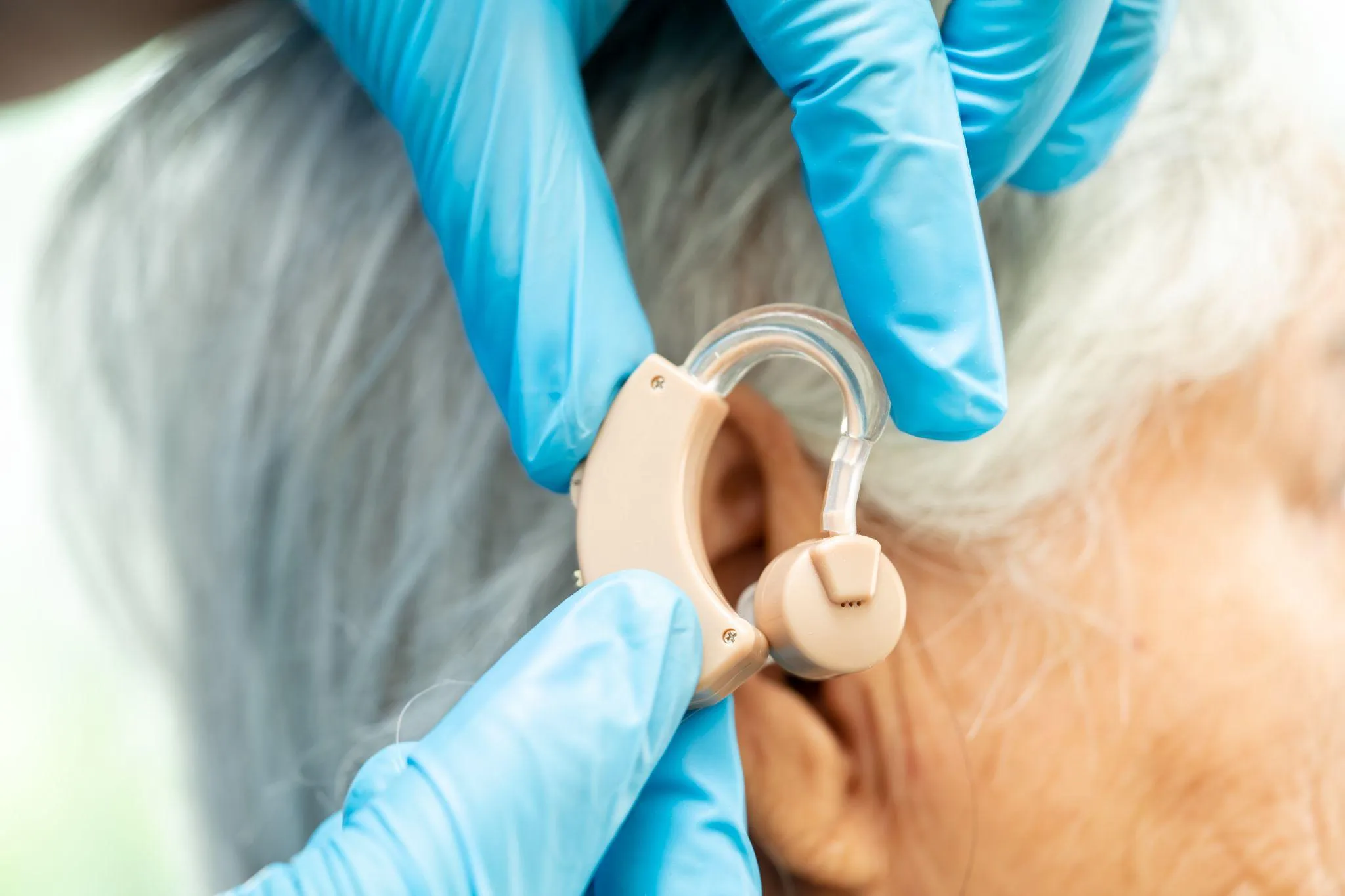
Tinnitus is a condition characterized by the perception of sound in the ears or head when no external sound is present. Many individuals describe tinnitus as ringing, buzzing, humming, or whistling sounds that can vary in intensity and frequency. While tinnitus is often associated with hearing loss, it can also result from various other factors such as noise exposure, ear infections, or nerve-related conditions.
Patients who struggle with severe hearing impairment and persistent tinnitus frequently ask how is cochlear implant done, as this advanced medical technology can provide both hearing restoration and relief from tinnitus symptoms. Cochlear implants work differently from traditional hearing aids by directly stimulating the auditory nerve rather than amplifying sound.
Individuals seeking specialized treatment often consult the best ENT clinic in Vadodara, where experienced specialists evaluate hearing conditions and determine whether cochlear implant surgery is a suitable option. With the advancement of modern hearing technology, cochlear implants have become a promising solution for people experiencing both hearing loss and chronic tinnitus.
What Is Tinnitus and Why Does It Occur?
Tinnitus occurs when the brain perceives sound signals without an external source. These sounds may be constant or intermittent and can affect one or both ears. For some individuals, tinnitus is mild and occasional, while for others it becomes persistent and disruptive.
The condition often develops due to damage within the auditory system. When the inner ear or auditory nerve is affected, the brain may attempt to compensate for the loss of sound input by generating phantom sound signals.
Several factors can contribute to tinnitus, including prolonged exposure to loud noise, age-related hearing loss, ear infections, and certain medications. In many cases, tinnitus becomes more noticeable in quiet environments when there are no external sounds to mask the internal ringing or buzzing.
Understanding the underlying causes of tinnitus is essential for identifying appropriate treatment options.
What Is a Cochlear Implant?
A cochlear implant is a sophisticated electronic device designed to restore hearing in individuals with severe to profound hearing loss. Unlike hearing aids, which simply amplify sound, cochlear implants bypass damaged parts of the ear and directly stimulate the auditory nerve.
The device consists of two primary components: an external processor and an internal implant placed beneath the skin.
The external processor captures sound from the environment and converts it into digital signals. These signals are then transmitted to the internal implant, which sends electrical impulses to the auditory nerve.
The brain interprets these electrical signals as sound, allowing the individual to perceive speech and environmental noises.
Cochlear implants have significantly improved the quality of life for many individuals who previously struggled with severe hearing impairment.
How Cochlear Implants Help Manage Tinnitus
Cochlear implants have been found to provide relief for many individuals experiencing tinnitus, particularly those who also have hearing loss. The device works by restoring auditory input to the brain, which can help reduce the brain’s tendency to generate phantom sound signals.
When the implant stimulates the auditory nerve, the brain begins receiving real sound signals again. This stimulation often reduces the perception of tinnitus by providing meaningful auditory input.
In many patients, the improved hearing ability allows environmental sounds to naturally mask tinnitus, making the condition less noticeable. Additionally, the electrical stimulation provided by the implant may help reorganize neural activity in the brain, which can further reduce tinnitus intensity over time.
While cochlear implants are primarily designed to restore hearing, their ability to reduce tinnitus symptoms has become an important additional benefit.
The Cochlear Implant Surgery Procedure
Cochlear implant surgery is a carefully planned medical procedure performed by specialized ear, nose, and throat surgeons. The surgery typically takes a few hours and is performed under general anesthesia.
During the procedure, the surgeon makes a small incision behind the ear and creates a space within the bone to place the internal implant. The electrode array is gently inserted into the cochlea, the spiral-shaped structure of the inner ear responsible for transmitting sound signals to the brain.
Once the implant is secured in place, the incision is closed and the patient is monitored during recovery. Most patients can return home the same day or within a short period after surgery.
Who Is a Candidate for Cochlear Implant Surgery?
Not every individual with tinnitus is a candidate for cochlear implants. This treatment option is generally recommended for people who have significant hearing loss that cannot be adequately managed with hearing aids.
Candidates typically undergo a comprehensive hearing evaluation and medical assessment before surgery is considered.
Some factors that may indicate suitability for cochlear implants include:
- Severe or profound sensorineural hearing loss
- Limited benefit from traditional hearing aids
- Healthy auditory nerve function
- Persistent tinnitus associated with hearing impairment
Healthcare professionals carefully evaluate each patient’s condition to determine whether cochlear implant surgery is the most appropriate treatment option.
Recovery and Adjustment After Surgery
Recovery from cochlear implant surgery is usually smooth, with most patients experiencing only mild discomfort during the healing process.
After the surgical site has healed, the external processor is activated and programmed by an audiologist. This process, known as “mapping,” ensures that the device delivers sound signals effectively. Patients may initially experience unfamiliar sound sensations as the brain adjusts to interpreting the electrical signals produced by the implant.
Over time, with consistent use and auditory training, individuals learn to recognize speech, environmental sounds, and music more clearly. For many patients, tinnitus symptoms also become less noticeable as the brain receives consistent auditory input from the implant.
Benefits Beyond Hearing Restoration
While cochlear implants are primarily intended to restore hearing, their benefits extend beyond improved auditory perception.
Many patients report significant improvements in their overall quality of life after receiving cochlear implants.
These benefits may include:
- Enhanced ability to understand speech and conversations
- Greater participation in social interactions
- Reduced stress and frustration associated with hearing loss
- Decreased awareness of tinnitus symptoms
Improved hearing can also enhance safety by allowing individuals to detect important environmental sounds such as alarms, traffic, and warning signals.
These advantages make cochlear implants a life-changing solution for many individuals with severe hearing impairment.
Long-Term Management of Tinnitus
Although cochlear implants can significantly reduce tinnitus in many patients, managing the condition often requires a comprehensive approach. Additional strategies may include sound therapy, hearing rehabilitation, and stress management techniques.
Lifestyle changes such as reducing exposure to loud noise, maintaining good sleep habits, and managing anxiety can also help reduce tinnitus severity.
Regular follow-up appointments with hearing specialists ensure that the implant continues to function effectively and that any adjustments are made when necessary.
A Promising Solution for Hearing and Tinnitus
Cochlear implant technology has transformed the treatment of severe hearing loss and has provided new hope for individuals struggling with persistent tinnitus.
By restoring auditory input and stimulating the auditory nerve, cochlear implants can significantly reduce the perception of tinnitus while improving hearing ability.
For individuals with both hearing loss and chronic tinnitus, cochlear implants offer a powerful combination of hearing restoration and symptom management.
With proper evaluation, surgical expertise, and ongoing rehabilitation, cochlear implants can greatly enhance communication, confidence, and overall quality of life.
