

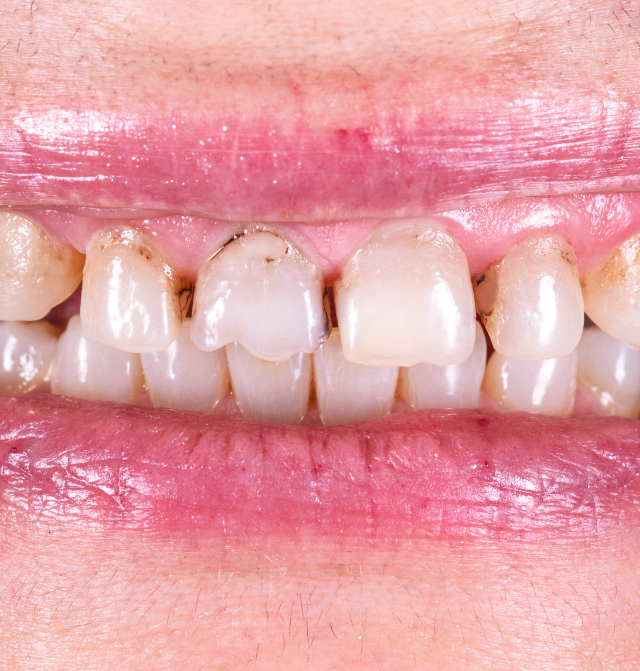
It’s completely normal to experience prolonged numbness after a dental appointment. We get it – feeling numb after a tooth pulling or a dental cleaning can be both unexpected and concerning. After a dental appointment, it is completely normal to experience numbness after a filling, tooth extractions, deep cleanings, and even root canal therapy. This is part of the normal recovery process, so knowing what feeling of numbness to expect, how long the numberness will last, and when you might want to reach out to the dental office will help you feel more prepared.
No matter the outpatient or complex services dental offices provide, numbness is a common experience after local treatments. This is an extremely common experience. In Sydney and Australia as a whole, numbness of the treatment area is a normal part of dental procedures. Your dental professional will be able to provide you more personalized and professional expectations of how long numbness will last after dental procedures. No need to stress, the clinical factors, and individual experience will help you feel normal and help explain the expectations of recovery and after care.
Why Do I Lose Feeling for Certain Procedures in a Dental Office?
Dentists Sydney commonly perform many procedures that may require dental numbness. Dental numbness happens when the dentist administers a local anesthetic that temporarily stops nerve signaling in the dental area. Consequently, discomfort is prevented during procedures such as:
- Receiving dental fillings
- Receiving dental cleanings and/or Periodontal therapy
- Root canal therapy
- Dental extractions
- Dental crown or veneer preparations
- Emergency dental treatments
Dentists give local anesthetics to the soft tissues around the area that is to be treated. This temporarily interrupts the nerve pathways to the lips, cheeks, tongue, gums, and sometimes the jaw as well.
The type of anesthetic used, as well as the anatomical area involved, determines the amount of time a patient is numb for. This is also true for how long the numbness lasts. As an example, injections in the lower jaw usually last longer because the anesthetic effects larger nerve branches.
Estimated Duration of Dental Procedures for Each Numbness to Wear Off
Generally, how long a patient is numb for lasts between 1-5 hours. This also varies by how long procedures take. Below is a list that lists time estimations that numbness may last for depending on the type of procedure.
In terms of how long you will be numb after a dental procedure, what are the averages? How long will you have numbness in that area? When will you be able to feel the area after a dental procedure? The answers to all these questions are summarized in the table below.
Table 1: what are the averages of how long you will feel numb after a dental procedure?
| Type of Procedure | Duration and Area of Numbness |
| A fillings | numbness of the lips, cheek, and local tissues for about 1–3 hours. |
| A deep cleaning | the gums and surrounding area will numb for about 1–4 hours. |
| A crown or a veneer preparation | the cheek, lip, and sometimes tongue will be numb for about 2-4 hours. |
| A root canal therapy | the tooth and surrounding tissues will be numb for about 2-4 hours. |
| A simple extraction | nearby local soft tissues are numb for about 2-5 hours. |
| A wisdom tooth surgery | this may depend on how complex the wisdom tooth extraction is, as some wisdom tooth surgeries can get very complex. numbness of the jaw lip, and cheek will vary between 3-5+ hours. |
These ranges are general rather than fixed, as individual experiences differ. Some people metabolize anaesthetic more quickly, while others may take longer.
What are some factors that can affect how long numbness lasts?
While numbness will vary depending on the procedure that is done, a big factor is how numbness durations are affected by personal physiological factors, like:
- Age, as this may cause a change in how fast your circulation and metabolic rate are.
- Individual body chemistry
- The absence or presence of inflammation or infection
- Overall health
- Which specific nerve pathways are involved
- The type of anaesthetic solution that is used
To demonstrate just how much these factors can really impact numbness duration, see the table below for some examples of factors that may increase the duration of time that a person will feel numb after a procedure.
Table 2: What Could Cause Dental Numbness to Last Longer?
| Factor | Its Impact on the Length of Numbness |
| Infection or inflammation | Could hinder the removal of anaesthetics from the body |
| Lower-jaw injections | Involving and affecting larger areas of a nerve region, and usually lasts longer |
| Higher anaesthetic dosage | This is a must for longer procedures and increases the length of numbness |
| Rate of metabolism | Some individuals metabolize anaesthesia at a slower rate |
| Certain medical conditions | May affect blood flow or nerve sensitivity |
| Age variability | The younger and the older age groups may have the longer effects |
In this section patients should be able to appreciate a normal range of sensations after the treatment.
What are the sensations when numbness is coming to an end?
During the gradual recovery from numbness, the effects are usually not sudden. The most likely to experience this are:
- Tingling or pins and needles
- A mild warm sensation
- The return of sensitivity is gradual
- A feeling of moderate weight
- A temporary speech difficulty
- Alteration of chewing sensation
The above listed effects should be expected and are resolving pursue the natural course and require no action on your part.
You should be careful of self-biting the parts of your mouth where sensation is diminished, like the cheeks, lips and tongue.
When Should Someone Seek Advice About Prolonged Numbness?
Seeking professional help is warranted when the numbness is expected to dissipate after a short duration. These reasons may include:
- Numbness lasting longer than was initially expected
- Tingling that lingers after sensations begin to return
- Challenges with opening or moving the mouth
- Unusual swelling
- The emergence of new or unexpected symptoms
There may be cases where the numbness may be a result of slight nerve irritation after complex procedures like wisdom tooth extractions. These cases can be evaluated by a dental professional so that a proper course of action can be taken.
How Do Individual Differences Affect Recovery?
The effect of anaesthetic differs from one person to another. Factors such as hydration, general health, and metabolism can influence the amount of time it takes the individual to become normal after the procedure. This is summarized in the table below.
Table 3: How Might Numbness Differ Between Individuals?
| Patient Consideration | Possible Outcome |
| Body weight | May influence anaesthetic distribution |
| Metabolic rate | Faster metabolism can shorten numbness |
| Age | Clearance rate can differ |
| Certain medications | Effects of anaesthetic may be prolonged |
| Anxiety or stress levels | Altered perception of numbness |
| Circulation differences | Can influence recovery time |
The differences in these factors can help to normalise the experience of various patients.
Macquarie Dental also offers support and guidance.
Macquarie Dental takes particular care to ensure attention to detail and high concern for patients. For dentists in Macquarie, particularly those with an emphasis in Sydney, Outstanding Macquarie Dental takes special care to develop a patient-focused strategy for oral health care.
Specific to this, Macquarie Dental has, and listens to patients in a fitting manner when there are queries or issues. Macquarie Dental has developed a fitting option for patients who like to have in detail, step by step, for all their dental procedures. It is calm and professional. Macquarie Dental in an impressive option those who take pride in explaining to you every detail, step by step, of the dental care you will receive. Macquarie Dental has a professional calm option whereby the patients can have every detail explained to them. Macquarie Dental has an impressive professional calm option for patients.
Sources:
- Australian Dental Association Local Anaesthesia
https://www.ada.org.au/Your-Dental-Health/Younger-Adults/Local-Anaesthesia - Healthdirect Australia Dental and Anaesthetic Procedures
https://www.healthdirect.gov.au/dental-care
FAQs
- How long do patients have numbness after simple procedures?
An individual has current symptoms for a period of up to five hours depending on the individual, the treatment and procedure planned.
- Is it the custom for the numbness to last a longer time following the lower jaw injections?
Certainly, it is common for numbness to last longer from lower jaw injections because it impacts a greater nerve branch.
- As numbness starts to fade, lose, what feelings are usually experienced?
The usual feelings that return are tingling, warmth, and the feeling of feeling something again, and usually, this completes on its own.
- When should a dentist be reached out to regarding extended numbness?
When numbness is out of its usual expected duration, or when it has some other worrying symptoms, it is time to reach out to your dental practitioner.
- With respect to health conditions, can they contribute to the amount of time numbness lasts?
Certain health conditions may influence your metabolism or blood flow, and this may have an effect on how long the anesthesia lasts.
- Is it extra possible that folks can experience this numbness to differing degrees even if it is for the exact same procedure?
Certainly, some individual things like age or how fast one’s body is able to change food into energy, medicine, or overall wellness may make the experiences different.
Disclaimer
Every dental procedure has possible risks and benefits associated. The content in this blog should not be construed as guidance regarding procedures for your health. It is advisable to consult with a relevant health professional to determine the best options for your dental health. You may also wish to get a second opinion when it is appropriate.
With our patients’ knowledge and given consent, any pictures or video recordings used to illustrate our patients’ experiences are for educational purposes only. Results are not a foregone conclusion, as all patients are different. Treatment results, recovery, complications, side effects, and effectiveness are all individual to the patient.
