

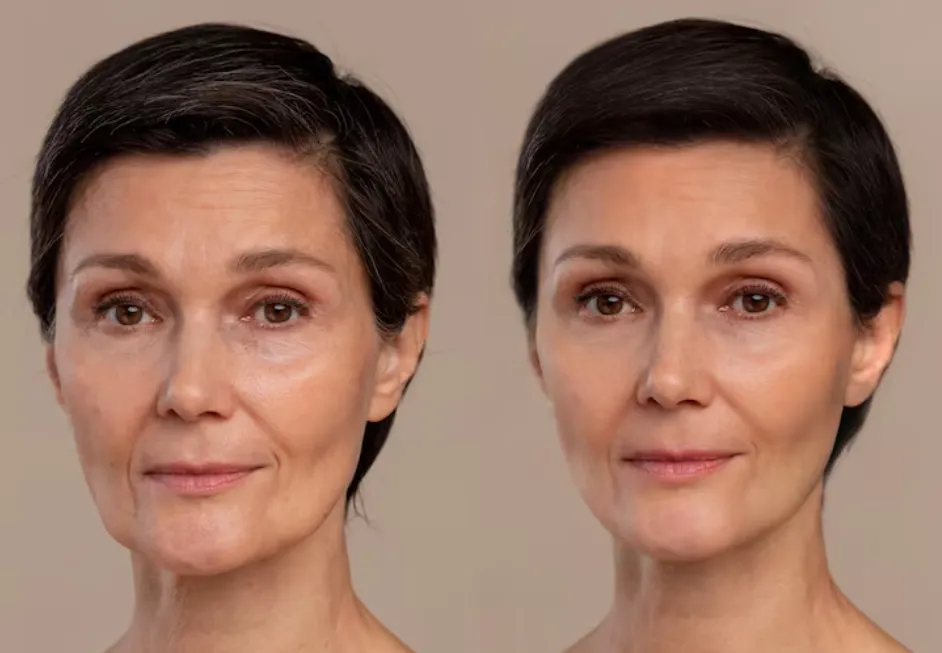
Injectable skin treatments are no longer used only to add facial volume. Some options are designed mainly to improve hydration, texture and overall skin quality while keeping facial shape largely unchanged. Profhilo and skin boosters are often mentioned together because both can involve injectable hyaluronic acid. However, they are not necessarily the same treatment. The formulation, injection technique and intended outcome can differ, so choosing between them should begin with an assessment of the skin and the patient’s goals.
What Makes Profhilo Different?
People researching Profhilo Malaysia are generally looking for an injectable treatment focused on skin hydration and quality rather than traditional facial contouring. Nexus Clinic describes Profhilo as a stabilised hyaluronic-acid treatment that is injected at selected points and designed to spread through the tissue. Its purpose is different from conventional dermal fillers, which are commonly placed to create or restore volume in specific facial areas.
This makes Profhilo more relevant for patients concerned about dryness, fine lines or changes in skin quality rather than those seeking noticeably fuller cheeks or lips.
What Is a Skin Booster?
The term Skin Booster Malaysia covers a broader range of injectable treatments. Some skin boosters use hyaluronic acid, while others contain different ingredients or combinations intended to support hydration, texture or skin appearance. Nexus Clinic currently lists several types of skin-boosting treatments rather than treating “skin booster” as one single product.
For this reason, patients should ask for the exact product name and ingredients. Simply being told that a treatment is a “skin booster” does not fully explain what is being injected or what outcome should be expected.
Hydration Is Different From Adding Volume
One of the most useful distinctions is the difference between improving skin quality and changing facial structure. Traditional dermal fillers are generally selected when volume or contour is the main goal. Hydration-focused injectables are used differently and may be more appropriate when the patient wants the skin to appear fresher without significantly changing facial shape.
Research reviewing injectable hyaluronic acid for facial skin quality has reported improvements in areas such as hydration, firmness, brightness, texture and elasticity. However, the researchers also noted differences between studies and the need for larger, stronger trials. Patients should therefore expect improvement rather than guaranteed transformation.
Choose Treatment According to the Main Concern
Someone with dehydrated or dull-looking skin may have different needs from a patient with deeper wrinkles, pigmentation or significant facial volume loss. Before recommending an injectable, the practitioner should assess skin condition, age-related changes, previous treatments and the result the patient wants.
For example, a person seeking better hydration may be suitable for a skin-quality treatment, while someone hoping to improve structural volume may need a different approach. The treatment name should follow the assessment rather than determine it.
Results Usually Develop Gradually
Skin-quality injectables should not be judged immediately after the appointment. Small bumps, redness, tenderness or swelling can occur around injection sites, and these temporary effects need time to settle. Published research on injectable hyaluronic acid also notes that adverse reactions can occur, including inflammatory reactions or nodules in some circumstances.
The practitioner should explain the expected recovery period, when results can reasonably be assessed and whether more than one treatment session may be recommended.
More Treatment Is Not Always Better
Patients sometimes assume that using more product or having treatments more frequently will produce a better result. That is not necessarily true. Injectable treatments should be planned according to skin needs, the specific product and the patient’s previous response. A conservative approach also makes it easier to evaluate whether the treatment is providing a worthwhile improvement before committing to additional sessions.
Consider the Practitioner, Not Just the Product
Profhilo and other skin boosters are still injectable procedures. Choosing a recognised product does not remove the importance of practitioner experience and appropriate medical assessment.
Patients should discuss their medical history, previous injectable treatments, active skin problems and any medicines that may be relevant before treatment. They should also ask what product will be used, where it will be injected, what side effects may occur and what to do if an unexpected reaction develops.
Maintain Realistic Expectations
Skin boosters are commonly marketed with terms such as “glowing”, “firming” or “rejuvenating”. These descriptions can be useful, but they are subjective. Scientific evidence for injectable hyaluronic acid suggests potential improvements in several measures of skin quality, but outcomes differ between products and patients. Clear photographs taken under similar lighting and a proper follow-up assessment may provide a better way to judge progress than expecting a dramatic overnight change.
Conclusion
Profhilo and skin boosters both belong to the wider category of injectable skin-quality treatments, but they should not automatically be treated as interchangeable. Profhilo is a specific hyaluronic-acid treatment, while the term skin booster can cover several different products and formulations. The best choice depends on whether the main concern is hydration, texture, fine lines or another skin issue.
A proper consultation, clear product information and realistic expectations can help patients choose a treatment that matches their actual skin goals rather than simply following the latest aesthetic trend.