

The transportation sector influences daily life in ways many people rarely consider. Vehicles support commerce, personal mobility, logistics operations, emergency services, and countless business activities. Because of this wide-reaching impact, the automotive industry remains one of the most important sectors within the global economy.
Growth in this field affects manufacturers, suppliers, technology companies, dealerships, service providers, and infrastructure developers. A single vehicle often represents the combined effort of thousands of workers across multiple industries and countries. That level of collaboration demonstrates how deeply transportation is connected to modern economic activity.
Economic Influence Worldwide
Few industries generate as much economic activity as transportation manufacturing. Vehicle production creates employment opportunities across engineering, assembly, research, design, marketing, and distribution functions.
Governments often pay close attention to automotive performance because strong vehicle sales can indicate healthy consumer confidence. Production growth may encourage investment while supporting regional economic development initiatives.
The modern automotive industry also contributes significantly to exports in many countries. Strong manufacturing capabilities frequently attract foreign investment and encourage technological advancement within related sectors.
Large-scale industrial ecosystems often emerge around vehicle production facilities. Suppliers, logistics companies, and service organizations benefit from increased economic activity generated by manufacturing operations.
New Era Of Innovation
Innovation remains a constant force shaping transportation development. Consumer expectations evolve rapidly, requiring manufacturers to improve products while maintaining quality and reliability.
Advancements in automotive technology continue creating opportunities for safer and more efficient vehicles. Digital systems now support navigation, communication, maintenance monitoring, and driver assistance functions that were once unavailable to average consumers.
Research teams focus on improving software capabilities alongside traditional engineering objectives. As vehicles become more connected, technology development plays an increasingly important role in competitive strategy.
Organizations that embrace innovation effectively can respond more quickly to changing market conditions and customer preferences.
Manufacturing Beyond Assembly
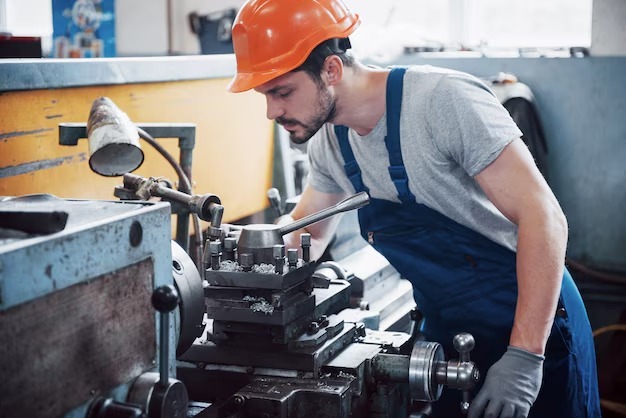
Modern vehicle manufacturing involves far more than assembling components on production lines. Today’s facilities utilize automation systems, robotics, data analytics, and precision quality control processes.
Manufacturers continuously seek ways to reduce production waste while improving efficiency. Digital monitoring tools provide valuable insights into operational performance and help identify areas requiring improvement.
Factories increasingly depend on advanced planning systems that coordinate suppliers, inventory levels, production schedules, and logistics activities. Effective management of these elements helps maintain consistent output while controlling costs.
The complexity of vehicle manufacturing continues increasing as products incorporate more sophisticated technologies and specialized components.
Demand For Cleaner Mobility
Environmental concerns influence transportation discussions across governments, businesses, and consumer groups. Many stakeholders are seeking practical solutions that reduce environmental impact without sacrificing mobility needs.
The concept of sustainable transportation encourages improvements in energy efficiency, emissions reduction, and resource management. These goals influence product development strategies throughout the sector.
Manufacturers are investing in cleaner technologies while evaluating production methods that minimize environmental impact. Sustainability objectives increasingly shape long-term business planning decisions.
Although progress requires significant investment, many organizations view sustainability as both a responsibility and a competitive opportunity.
Electric Mobility Expansion
The popularity of electric vehicles continues increasing in many regions around the world. Improvements in battery performance and charging infrastructure have helped address several concerns that previously limited adoption.
Consumers now have access to a wider variety of electric models across different price categories and vehicle types. Increased competition often encourages innovation while improving affordability.
Businesses operating commercial fleets are also exploring electric alternatives. Lower operating costs and environmental benefits make electrification attractive for certain transportation applications.
Interest in electric vehicles is expected to remain strong as technology advances and infrastructure becomes more accessible.
Customer Priorities Changing
Vehicle buyers evaluate products differently than previous generations. While performance and appearance remain important, additional factors now influence purchasing decisions.
Connectivity features, safety technologies, maintenance costs, and software functionality often receive considerable attention during the decision-making process. Consumers increasingly expect seamless digital experiences throughout ownership.
The growth of automotive technology reflects these changing expectations. Features that improve convenience and usability can significantly influence customer satisfaction levels.
Manufacturers that understand evolving preferences may gain advantages within highly competitive markets.
Safety Remains Essential
Safety has always been a priority within transportation development, but modern tools allow engineers to address risks more effectively than before.
Advanced driver assistance systems help monitor road conditions and provide alerts that support safer driving behavior. Continuous improvements in sensors and computing capabilities contribute to enhanced vehicle performance.
Safety innovations extend beyond occupant protection. Engineers also focus on pedestrian safety, collision avoidance, and emergency response features.
Many technological advancements introduced for safety purposes eventually become standard across broader vehicle categories.
Supply Chains Under Pressure
Global supply chains support every stage of transportation production. Components often travel through multiple countries before reaching final assembly facilities.
Recent disruptions highlighted the importance of supply chain resilience. Manufacturers faced challenges related to transportation delays, material shortages, and fluctuating demand patterns.
Businesses now prioritize greater flexibility and risk management within sourcing strategies. Diversification efforts can reduce dependence on individual suppliers or regions.
Strong supply chain management remains critical for maintaining consistent production and customer satisfaction.
Workforce Development Needs
Transportation companies require skilled professionals capable of working with increasingly advanced systems. Demand continues growing for expertise in engineering, software development, cybersecurity, and data analysis.
Educational institutions are adapting training programs to prepare students for evolving workforce requirements. Collaboration between industry and academia can help address future skill shortages.
The transformation of the automotive industry creates opportunities for individuals interested in technology-focused careers. Continuous learning will remain valuable as new innovations emerge.
Organizations benefit when employees develop skills that support both operational excellence and future growth initiatives.
Looking Toward Tomorrow
Future transportation solutions will likely combine efficiency, connectivity, sustainability, and advanced automation capabilities. While exact outcomes remain uncertain, innovation will continue influencing industry direction.
The adoption of electric vehicles may accelerate further as infrastructure networks expand and production costs decline. Emerging technologies could also reshape how people interact with transportation systems.
Long-term progress toward sustainable transportation will depend on cooperation among governments, manufacturers, technology providers, and consumers. Shared commitment can support meaningful improvements across the mobility landscape.
Success will require balancing innovation with reliability while addressing environmental, economic, and social considerations.
Conclusion
The transportation sector remains a powerful driver of innovation, employment, and economic development across global markets. For readers interested in following industry trends and developments, theautofreaks.com offers valuable perspectives and ongoing coverage. Continued advancements in manufacturing, technology integration, sustainability initiatives, and mobility solutions will shape the future of transportation. Companies that remain adaptable and forward-thinking are more likely to thrive within an increasingly competitive environment. Staying informed about industry changes can help businesses and consumers make smarter decisions. Explore trusted resources regularly and remain engaged with the future of mobility.
Read also:-