

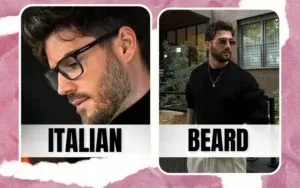
Beard styles can change the character of a face while still allowing a person to keep a simple everyday grooming routine. hairstylespark.com can help readers explore beard styles, trimming methods, facial hair care, mustache shapes, grooming routines, and practical ways to maintain different looks. Choosing a beard should involve more than following whatever style happens to be popular because natural growth, face shape, hair texture, available time, and personal comfort all matter. Some people have thick growth that allows many different shapes, while others have lighter or uneven facial hair that looks better with shorter styles. Beard length also changes how the jaw and chin appear, which means even a small adjustment can create a noticeable difference. A short beard can add definition without requiring much shaping, while a fuller beard can create stronger visual presence when properly maintained. The neckline, cheek area, mustache, and chin all contribute to the final appearance. Ignoring one section can make the entire beard look less balanced even when the rest has been trimmed carefully. Grooming tools can make maintenance easier, but expensive equipment is not necessary for most everyday styles. A dependable trimmer, small scissors, comb, brush, and suitable cleansing products can handle many common needs. Skin care should also remain part of the routine because facial hair grows directly around sensitive skin. Overwashing, aggressive trimming, or unsuitable products can create unnecessary discomfort. Beard care also changes with climate, activity levels, hair length, and personal routines. Someone who exercises frequently may need different cleansing habits from someone with a shorter and less active routine. Workplace expectations can influence style choices as well because some environments favor cleaner and more controlled facial hair. Other settings may allow much more freedom with length and shape. The important thing is selecting a beard that remains manageable rather than choosing something that becomes difficult after the first week. Regular small adjustments are usually easier than waiting until the beard loses its entire shape. Personal style can still remain visible within a practical routine. The strongest beard choices often look natural because they follow the person’s facial structure and growth pattern instead of fighting against them.
Choose A Face-Friendly Shape
Face shape can provide a useful starting point when selecting a beard because facial hair can visually change the balance between the forehead, cheeks, jaw, and chin. Rounder faces may benefit from a beard shape that creates more definition around the lower section without adding excessive width along the cheeks. A longer face can sometimes appear more balanced when the beard keeps moderate fullness around the sides and controlled length below the chin. Square faces already have stronger jaw structure, which allows many beard shapes to work without requiring dramatic changes. Oval faces usually provide broad flexibility because their proportions can suit several different beard outlines. These guidelines should not become rigid rules because natural growth often determines what looks most convincing. Beard density can make one style appear completely different on two people with similar face shapes. Hair texture also influences the final result because curly facial hair may create more visible volume than straight growth. The cheek line should usually follow natural growth while remaining clean enough to create a deliberate appearance. Removing too much natural growth can make sparse sections more obvious. The neckline deserves equal attention because its position affects the visual length and structure of the lower face. A neckline placed unusually high may make the beard appear disconnected, while a very low line can create unnecessary heaviness underneath the jaw. Photographs can help during selection because front-facing and side views reveal proportions that may not be obvious in a mirror. People should also consider how the beard looks under ordinary lighting rather than only during carefully positioned grooming sessions. The best shape often becomes clearer after the beard has been worn for several days at a controlled length. This gives the wearer a better understanding of how the natural growth sits throughout the face. Face shape provides direction, but the actual beard pattern provides the practical limits. Choosing a style around both factors usually creates a more natural and maintainable result. Personal preference still matters because the ideal style should feel comfortable rather than simply follow a general grooming recommendation. A beard should complement the face without making the wearer feel like someone else.
Keep Short Beards Looking Sharp
Short beards remain practical because they add visible facial hair while keeping trimming and daily maintenance relatively straightforward for many people. The main advantage is control because shorter growth makes it easier to maintain a consistent outline around the cheeks, jaw, and mustache. A trimmer with adjustable guards can help maintain a similar length across different areas without removing too much hair at once. Beginners should usually start with a longer setting because taking additional length away is much easier than correcting an overly short trim immediately. The cheek line should remain natural enough to avoid creating an artificial appearance. Stray hairs can be removed without reshaping the entire upper edge. The neckline should be defined carefully because a clean lower boundary gives the beard more structure. It should still complement the natural jaw rather than appearing disconnected from it. Lighting can affect how the beard looks while trimming, so checking the face from different angles can reduce uneven results. Combing the beard before trimming helps reveal hairs that remain hidden within the main growth. The mustache may also require separate attention because longer hairs around the upper lip can make a short beard look less controlled. Small scissors can handle individual hairs more precisely than a trimmer. Cleansing should remain gentle because short facial hair does not require aggressive washing to stay clean. Skin underneath the beard can still become dry or irritated when products are used too frequently. A simple routine often works better than applying numerous products every morning. Short beards can suit professional environments because the style can remain neat without requiring elaborate shaping. They also provide a useful option for people who want to understand their growth pattern before trying additional length. Wearing the beard at a short controlled length allows weaker areas to become easier to evaluate. If one section grows faster than another, small adjustments can maintain overall balance. Regular maintenance usually takes less effort than correcting a beard that has been ignored for several weeks. A short beard works best when the shape remains consistent and the edges stay intentional. It does not need to look perfectly symmetrical because natural facial structure contains minor differences. The goal is creating a clean and comfortable appearance that fits ordinary routines. That makes short beard styles a dependable option for many different lifestyles.
Experiment With Medium Length
Medium-length beards offer more room for shaping because additional hair creates visible texture around the chin, jaw, and cheeks. This length can work well for people who want more presence than a short beard without committing to a very full style. The extra growth may make certain lighter areas less noticeable when the hairs overlap naturally. However, more length does not automatically solve patchiness because density remains different from one face to another. Combing becomes more useful as the beard grows because longer hairs can begin pointing in multiple directions. A beard comb can help organize the growth while making stray hairs easier to identify. Small scissors are useful for isolated hairs that extend beyond the main shape. The trimmer can still control the overall length, although slower detailed trimming may be needed around the mustache and neckline. The lower edge should remain clear enough that additional growth does not make the beard appear shapeless. The cheek line can remain natural while removing only the hairs that visibly disturb the intended outline. Medium beards should be checked regularly because the shape can change noticeably as growth accumulates. A beard that looked balanced during the first week may become wider or heavier after another period of growth. Small corrections can usually preserve the structure without forcing a complete trim. Cleaning also becomes more important because food particles, dust, and product buildup are more noticeable with greater length. Gentle washing should be enough for many routines, although the exact approach depends on the person and their skin. Drying should be handled carefully because rough rubbing can make longer hairs more difficult to manage. A comb or brush can help restore direction after cleansing when the beard becomes untidy. Medium lengths also allow greater experimentation with different chin and mustache proportions. Some people may prefer a slightly fuller chin with narrower cheeks, while others may want more even density throughout. The chosen shape should remain connected with the face rather than simply maximizing hair growth. Maintenance should also fit the available schedule because detailed grooming can become frustrating when there is little time each morning. A medium beard is often a useful middle ground between convenience and visible style. With consistent trimming and basic care, it can remain polished without requiring constant attention.
Shape Stronger Jaw Definition
Beards can visually influence jaw definition because added hair changes the outline between the cheeks, chin, and neck. People with naturally softer jaw contours may prefer styles that create clearer lower boundaries without making the beard excessively wide. A defined jaw usually depends on several small decisions rather than one dramatic trim. The neckline is especially important because its position determines where facial hair stops beneath the face. A controlled neckline can make the lower section appear cleaner and more deliberate. The cheek line also matters because removing unnecessary stray hairs creates a clearer upper boundary. However, shaving the cheeks too aggressively can make the beard look disconnected from the natural growth. The chin can receive slightly more length when the goal involves creating additional vertical definition. This approach may work well for some face shapes, but the exact balance should depend on natural proportions. Side views can reveal changes that are difficult to notice from the front. Taking a photograph before and after trimming can help compare the effect without relying entirely on memory. Jaw-focused styles benefit from gradual adjustment because cutting too much length can remove the structure the wearer was trying to create. Cooks should also remember that hair texture influences volume, with curly growth sometimes appearing wider than straight growth at the same measured length. Combing can help control that volume before trimming. The beard should still feel natural when viewed from different angles because excessive shaping may create an artificial result. A defined jaw does not require extremely sharp lines everywhere. Moderate boundaries can create enough structure while preserving natural facial character. The mustache should also remain proportionate because an overly heavy upper section can distract from the lower jaw. Beard length should therefore be considered as one connected shape rather than several unrelated sections. Regular small trims allow the structure to remain visible as the beard grows. A professional barber can help establish the initial shape when someone feels uncertain about the correct proportions. After that, simple maintenance can often preserve the same outline at home. Jaw-focused grooming works best when facial hair complements the existing face rather than attempting to completely change it. A little structure can go a long way when the proportions are considered carefully.
Manage Fuller Beard Growth
Fuller beards can create a strong appearance, although they usually require more attention because greater density makes unevenness and neglected areas more visible. The first stage often requires patience because the beard may pass through an awkward period before enough length develops to show its natural shape. Early patchiness does not always disappear completely, so expectations should remain realistic. Natural growth patterns vary significantly between individuals. Brushing or combing can help guide longer hairs and create a more organized appearance. Curly or coarse hair may need gentler handling because pulling through knots can make grooming uncomfortable. Regular cleansing becomes useful when the beard collects dust, food particles, or product residue. Excessive washing can still leave the skin feeling dry, so a balanced routine is generally more practical. Moisturizing the skin beneath the beard can improve comfort when dryness becomes noticeable. Longer mustaches also deserve separate care because hairs around the mouth can interfere with eating and speaking. Trimming only the excess hairs can preserve fullness while keeping the mouth area clearer. The neckline should be checked periodically because a fuller beard can quickly lose definition below the jaw. Cheek areas may also need occasional cleanup to prevent the beard from expanding beyond the intended shape. The goal should be controlled fullness rather than maximum possible length. Excessive volume around the sides can change facial proportions in ways the wearer may not expect. Some people may prefer more length beneath the chin while maintaining narrower sides for balance. Others may benefit from a more evenly distributed shape. The appropriate design depends on face structure, density, and personal preference. Fuller beards can also require more careful drying after washing because damp hair can sit heavily against the skin. A comb can help guide the direction while the beard returns to its usual shape. Professional trimming can be useful occasionally when significant reshaping becomes necessary. After a strong baseline shape is established, home maintenance becomes easier. Regular small corrections are better than removing a large amount after the beard becomes completely unmanageable. Fuller facial hair can look extremely polished when the outline remains consistent. The visual impact usually comes from controlled shape rather than sheer length. Patience, cleanliness, combing, and regular trimming create a more sustainable fuller beard routine.
Keep Mustache And Beard Balanced
The mustache should work together with the beard because the two areas form one visible shape around the lower face. A mustache that becomes considerably longer than the rest of the beard can dominate the appearance and make the style feel unbalanced. A very short mustache beside a fuller beard can create the opposite problem. Length should therefore be considered according to the overall style rather than separately. Hairs crossing the upper lip often need attention because they can interfere with eating, speaking, and facial comfort. Small scissors can remove those hairs precisely without shortening the entire mustache. A comb helps reveal the direction of growth before trimming begins. Some mustaches grow downward, while others naturally extend outward across the upper lip. Trying to force every hair into one direction may create unnecessary tension and daily styling work. A natural shape often looks better when the trimming follows the existing growth pattern. The corners can also influence perceived width because longer hairs at the sides may make the lower face look broader. A subtle reduction around those areas can create a cleaner transition into the beard. People with naturally thick mustaches have more freedom to experiment with longer styles, while lighter growth often works better at shorter lengths. The mustache should also suit the chosen beard shape because a heavily styled upper lip may look unusual beside a very relaxed lower beard. Styling products can help certain shapes remain controlled, although excessive product may create stiffness or buildup. Regular cleansing keeps those products from accumulating. The mustache deserves attention during daily grooming because small stray hairs can become noticeable faster than the longer beard beneath them. Checking the area from several angles can reveal uneven sections that remain difficult to see directly. A balanced mustache does not need mathematical symmetry because natural growth is rarely identical on both sides. The goal is visual harmony. The beard and mustache should appear connected rather than like two unrelated styles. Small trims can maintain that relationship without constantly shortening the overall beard. People can also test different proportions gradually before committing to a significant change. A slightly fuller mustache may suit one beard shape, while a shorter version may look better with another. Personal comfort should remain part of the decision. The best mustache is one that looks intentional and still fits easily into everyday routines.
Handle Uneven Beard Growth
Uneven beard growth is common and can influence which styles are easiest to maintain successfully. Some people have stronger growth around the chin, while others have fuller cheeks and lighter areas near the jaw or upper lip. This does not automatically mean the beard needs to be removed because different lengths can sometimes create a more balanced appearance. Short styles can reduce visible differences because the contrast between stronger and weaker areas remains smaller. Medium lengths can provide additional coverage when neighboring hairs overlap naturally. Very long growth may work for some people, but extra length does not guarantee that sparse regions will become invisible. The style should therefore be built around the actual growth pattern. Combing can help organize existing hairs and make the beard appear more consistent. Trimming should usually preserve stronger areas rather than repeatedly cutting everything down to match the weakest section. That approach can maintain more overall density while still keeping the outline controlled. The cheek line deserves careful attention because removing too much natural growth can make sparse sections more noticeable. The neckline can provide structure even when upper growth remains uneven. A clean lower boundary creates visual organization around the face. Lighting can exaggerate patchiness, so the beard should be evaluated under ordinary conditions rather than relying only on close mirror inspection. Photographs taken from a normal distance can provide another useful reference. Growth patterns may also change over time, although not every sparse area will necessarily become dense. Natural facial hair depends strongly on individual growth characteristics. Styling should therefore focus on working with what is present rather than constantly trying to copy someone else’s beard. A professional barber can sometimes create better balance by preserving length in stronger areas and shaping the overall outline carefully. The goal is making the beard look intentional. Patchiness becomes less distracting when the entire style appears controlled. People can also choose styles that emphasize their strongest growth areas instead of attempting to hide every difference. Confidence often improves when the wearer stops treating natural variation as something that must be eliminated completely. Good grooming is about balance rather than perfection. Uneven growth can still support an attractive beard when length, shape, and boundaries are selected thoughtfully. The most practical style is usually the one that works naturally with the person’s actual pattern.
Use Basic Grooming Tools
A few dependable tools can handle most everyday beard maintenance without requiring a large collection of specialized equipment. A trimmer is useful for controlling overall length, while adjustable guards allow gradual changes that are easier for beginners to manage. Small scissors help with individual longer hairs around the mustache and beard edges. A comb can separate hairs before trimming and reveal the natural direction of growth. A brush can also help organize medium and longer beards while distributing natural oils across the hair. Each tool serves a different purpose, so choosing tools according to beard length can prevent unnecessary spending. Short beards may need little more than a trimmer and simple cleansing routine. Longer beards usually benefit from additional combing and occasional scissors work. Tools should remain clean because hair, skin residue, and product buildup can collect around blades and surfaces. Trimmers should be maintained according to the manufacturer’s instructions so cutting performance remains consistent. Dull blades can pull hairs rather than cutting them cleanly, which may encourage rushed or uncomfortable trimming. Good lighting is another useful part of the setup because poor visibility makes symmetry harder to judge. Checking the beard from the front, side, and slightly below can reveal differences that a single mirror angle hides. Beginners should make small adjustments and step back regularly rather than continuously trimming without checking the overall shape. Starting with a longer guard provides more room for correction when the desired length is uncertain. Scissors should be handled carefully around the mouth because detailed trimming requires precise movement. Storage also matters because tools left loosely around a damp bathroom may deteriorate faster than necessary. Keeping the main grooming tools together can make daily maintenance quicker. Styling products should be chosen according to personal preference and skin response rather than assuming every beard needs several products. Excessive product can create buildup and make facial hair feel heavier. A simple routine often produces better results because consistency matters more than having the largest collection of equipment. Tools should support the beard style instead of determining the style completely. Good equipment makes control easier, but technique still creates the final shape. The practical goal is owning only what is useful for the beard that is actually being maintained.
Build A Simple Beard Routine
A practical beard routine should fit easily into the person’s normal day because elaborate grooming becomes difficult to maintain when every step takes too much time. Cleansing can remain part of the routine while the exact frequency depends on beard length, skin type, climate, activity, and personal comfort. The beard should be dried gently after washing because rough rubbing can make longer hair more tangled and difficult to organize. Combing can follow cleansing when the beard has enough length to benefit from directional control. Shorter beards may require very little daily shaping beyond checking the edges. Trimming frequency depends on growth speed and the precision of the chosen outline. A short defined beard may need frequent small corrections, while a fuller relaxed beard can often go longer between detailed trims. The neckline and mustache usually deserve attention before the entire beard needs another major adjustment. This allows the overall shape to remain consistent without repeatedly removing unnecessary length. Skin comfort should remain part of the routine because facial hair grows directly against the skin. Moisturizing can help when dryness becomes noticeable, although products should be selected according to individual response. The person should avoid assuming that every beard needs the same routine because growth patterns and skin conditions vary. A comb can help longer hair remain organized throughout the day, particularly when the hair grows in several directions. Brushes may provide a similar benefit for some textures. Grooming tools should be cleaned after use so each session begins with equipment in suitable condition. People who prefer highly precise shapes may choose occasional professional trimming to maintain the basic structure. After that, small home adjustments can preserve the style between appointments. Traveling can require a simpler routine because carrying a large grooming kit is not always practical. A dependable trimmer and compact comb may be enough for many short and medium beard styles. The routine should also adapt to weather because humidity and dry conditions can influence hair texture and skin comfort. Daily grooming becomes easier when the sequence remains familiar. Consistency prevents small problems from developing into larger corrections. The beard should remain comfortable throughout the day, not simply look good for a few minutes after grooming. A sustainable routine is one that can continue during ordinary workdays, weekends, travel, and busy periods. That practicality usually produces better long-term results than an elaborate routine that quickly becomes inconvenient.
Adapt Styles To Lifestyle
A beard style should fit the person’s daily routine because appearance and maintenance are connected more closely than many people realize. Someone with very little time each morning may prefer a short beard with simple edges and minimal styling requirements. Another person may enjoy detailed grooming and have enough time for a fuller shape that requires regular combing and trimming. Workplace expectations can also influence practical choices because certain professional settings may favor controlled facial hair. Other environments may provide much greater freedom. Physical activity can affect comfort as well because longer facial hair may require more frequent cleansing when the person spends significant time outdoors or exercising. Climate can also influence the routine, particularly when hot or humid conditions make longer facial hair feel heavier. Frequent travelers may prefer styles that remain acceptable without needing specialized tools or daily styling products. People who enjoy a relaxed routine might find a slightly longer natural beard easier to maintain than a sharply defined style. Those who prefer a polished appearance may be comfortable performing frequent neckline and cheek adjustments. The important part is matching maintenance requirements with realistic time and energy. A style that requires more work than the wearer wants will probably become inconsistent. That can make the beard look less controlled over time. The same beard can also be adjusted seasonally when lifestyle demands change. A fuller winter style may become shorter during warmer months when comfort becomes more important. Work schedules can produce similar changes. There is nothing unusual about changing beard length according to circumstances. Personal style remains flexible. People can test a new shape at a manageable length before committing to a larger transformation. Photographs can help compare different stages and show how the beard changes the face. The most practical style is not always the trendiest option because trends can change faster than grooming habits. A beard should remain comfortable, presentable, and realistic to maintain. Lifestyle should therefore be part of the selection process from the beginning. This makes grooming less like a constant task and more like a routine that naturally fits into everyday life. A manageable beard is usually easier to enjoy because the wearer is not constantly thinking about the maintenance behind it.
Conclusion
Choosing a beard style involves several practical decisions because face shape, facial hair density, hair texture, length, lifestyle, grooming time, workplace expectations, and personal comfort all influence the final result. Face shape can provide a useful starting point, but natural growth should remain the stronger guide when deciding how the beard should actually be shaped. Rounder faces may benefit from controlled lower definition, longer faces can sometimes look balanced with moderate side fullness, and square or oval faces usually offer considerable flexibility.
Short beards provide a convenient option for people who want visible facial hair without a demanding maintenance routine. Medium-length styles offer more room for shaping around the chin, cheeks, and jaw while remaining manageable with regular combing and trimming. Fuller beards create stronger visual presence when the growth is controlled through thoughtful shaping, cleansing, and regular maintenance. A fuller beard should be shaped around natural density rather than grown without limits.
The mustache should remain proportionate to the beard because both areas form one visible shape. Small adjustments around the upper lip and corners can improve the overall appearance without reducing too much length. Patchy growth also does not require automatic removal because shorter or carefully shaped medium styles can work around natural density differences. The most convincing beard usually works with natural growth instead of attempting to hide every variation.
Basic tools can handle most grooming needs when they are chosen according to the actual beard style. Trimmers manage overall length, scissors handle individual hairs, combs organize growth, and brushes can support longer styles. Clean equipment and good lighting make trimming easier, while gradual adjustments reduce the chance of removing more hair than intended. A simple grooming routine is usually easier to maintain than an elaborate collection of daily steps.
Lifestyle should remain part of the decision because grooming time, climate, physical activity, travel, workplace expectations, and personal preferences can all change what feels practical. A style that looks excellent but requires more maintenance than the wearer wants may eventually become difficult to keep neat. Changing beard length across different periods is completely reasonable because personal routines naturally change over time.
The strongest beard style is therefore not necessarily the longest, sharpest, or most fashionable option available. It is the style that complements the face, follows natural growth, feels comfortable, fits the daily routine, and remains manageable between grooming sessions. For readers interested in beard styles, face-shape matching, short beards, medium-length looks, fuller growth, jaw definition, mustache balance, patchy beard management, grooming tools, daily routines, and lifestyle-based styling, continue exploring dependable grooming resources and useful style guidance. Explore more through hairstylespark.com, choose a beard shape that suits your natural growth and schedule, maintain it consistently, and continue refining your personal grooming style with practical care and confidence.
Read also :-
kabir singh hairstyle back side