

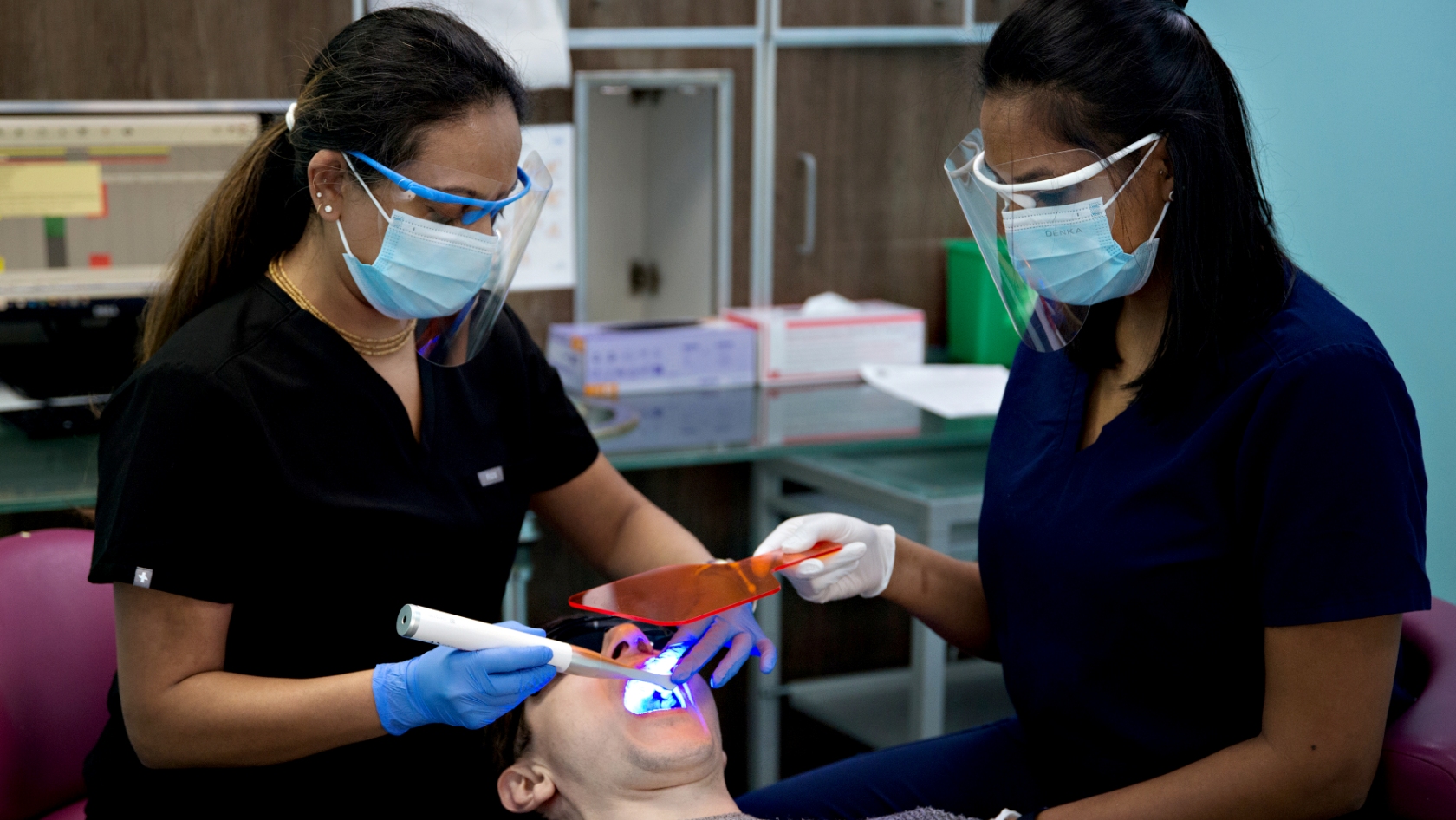
Dental problems rarely happen at a convenient time. A sudden toothache, facial swelling, broken tooth, or dental infection can quickly disrupt your daily routine and leave you wondering whether you need urgent professional care. While some minor dental issues can wait for a routine appointment, others require prompt attention to relieve pain, prevent complications, and protect your long-term oral health.
Knowing the difference between a routine dental concern and a genuine dental emergency is important. Seeking treatment early can often prevent a minor problem from becoming a more serious issue that requires extensive treatment later.
If you are searching for an Emergency Dentist In Milton Keynes, understanding the warning signs of a dental emergency can help you make the right decision and receive the care you need as quickly as possible.
What Is Considered A Dental Emergency?
A dental emergency is any oral health problem that requires urgent professional attention to relieve pain, stop infection, protect teeth, or prevent further damage.
Not every dental issue requires same-day treatment. For example, a small chip in a tooth that causes no pain may be able to wait a few days. However, symptoms such as severe pain, swelling, bleeding, or infection should always be assessed promptly.
Emergency dental care focuses on:
- Relieving discomfort
- Diagnosing the problem
- Treating infection
- Repairing damage
- Preventing complications
Understanding the most common warning signs can help you determine when urgent care may be necessary.
Severe Or Persistent Toothache
One of the clearest signs that you should contact an emergency dentist is severe or ongoing tooth pain.
Toothache is often the body’s way of alerting you to an underlying problem. Common causes include:
- Tooth decay
- Infection
- Cracked teeth
- Exposed nerves
- Gum disease
Pain that interferes with eating, sleeping, or concentrating should never be ignored.
You should seek urgent care if:
- The pain is severe
- The discomfort is worsening
- Painkillers provide little relief
- The pain has lasted more than a day or two
Persistent tooth pain rarely resolves without professional treatment.
Swelling In The Gums, Face, Or Jaw
Swelling is another important warning sign that requires prompt attention.
Facial or gum swelling often indicates infection, particularly if it develops suddenly or becomes progressively worse.
Common causes include:
- Dental abscesses
- Infected teeth
- Gum infections
- Wisdom tooth infections
Swelling should never be ignored because infections can spread into surrounding tissues if left untreated.
The earlier treatment begins, the easier it is often to manage the infection effectively.
Dental Abscesses
A dental abscess is one of the most common reasons patients require emergency dental treatment.
An abscess is a collection of infection that develops either inside a tooth or within the surrounding gum tissue.
Symptoms may include:
- Severe throbbing pain
- Swelling
- Tender gums
- A bad taste in the mouth
- Sensitivity when chewing
- Fever or feeling unwell
Abscesses usually require urgent treatment because the infection is unlikely to resolve without professional care.
Pain That Keeps You Awake At Night
Many patients notice that dental pain becomes significantly worse during the evening or when lying down.
Pain that repeatedly disturbs sleep often indicates:
- Advanced decay
- Nerve inflammation
- Infection
- Pressure inside the tooth
If toothache is preventing you from sleeping comfortably, it is usually a good indication that professional assessment is required.
Broken, Cracked, Or Fractured Teeth
Not every damaged tooth causes immediate pain, but significant cracks or fractures should be assessed as soon as possible.
Broken teeth may result from:
- Falls and accidents
- Sports injuries
- Teeth grinding
- Biting hard foods
Symptoms may include:
- Sharp pain when biting
- Sensitivity to temperature
- Swelling
- Visible damage
Prompt treatment may help prevent further cracking and improve the chances of preserving the tooth.
Lost Fillings Or Crowns
A lost filling or crown can leave the underlying tooth exposed and vulnerable.
Many patients experience:
- Sensitivity to hot or cold foods
- Pain when chewing
- Sharp edges
- Increased discomfort over time
Although a lost restoration may not always be an immediate emergency, severe pain or exposed tooth structure should be assessed quickly.
Bleeding That Does Not Stop
Minor bleeding after brushing or flossing is not usually considered a dental emergency. However, persistent bleeding following trauma or injury should be taken seriously.
Urgent dental care may be needed if:
- Bleeding continues for an extended period
- There has been an accident or injury
- Soft tissues inside the mouth have been damaged
Professional assessment can help identify the cause and prevent further complications.
Wisdom Tooth Pain And Infection
Wisdom teeth are a common cause of emergency dental appointments.
When wisdom teeth become impacted or partially erupt through the gums, bacteria can accumulate around the area and trigger infection.
Common symptoms include:
- Pain at the back of the mouth
- Swollen gums
- Difficulty chewing
- Jaw discomfort
- Difficulty opening the mouth fully
Prompt treatment may help reduce pain and prevent worsening infection.
Signs Of Gum Infection
Many people associate dental emergencies only with tooth problems, but gum infections can also require urgent care.
Signs of a gum infection may include:
- Swollen gums
- Redness
- Tenderness
- Bleeding
- Pus around the gumline
- Persistent bad breath
Early treatment can help prevent the infection from spreading and causing damage to supporting tissues.
Difficulty Eating Or Drinking
Dental problems that interfere with normal eating or drinking should be assessed promptly.
Pain while chewing may indicate:
- Tooth fractures
- Infection
- Severe decay
- Gum disease
If normal daily activities are being affected, urgent dental care may be required.
How Emergency Dentists Diagnose The Problem
One of the most important aspects of emergency dental care is accurate diagnosis.
The dentist may:
- Examine the teeth and gums
- Assess swelling and tenderness
- Check for visible damage
- Test sensitivity
- Evaluate your bite
- Take dental X-rays if necessary
Identifying the root cause of the problem allows the dentist to provide the most effective treatment and pain relief.
What Treatments May Be Provided?
Emergency treatment depends on the specific issue being treated.
Possible treatments include:
- Dental fillings
- Crown repairs or replacements
- Root canal treatment
- Infection management
- Gum treatment
- Tooth extraction where necessary
- Temporary protective restorations
The goal is always to relieve discomfort while protecting long-term oral health.
Why Early Treatment Is Important
Many dental emergencies become more difficult and expensive to treat when left unchecked.
Seeking care early may help:
- Relieve pain faster
- Prevent infection spreading
- Save damaged teeth
- Reduce swelling
- Avoid more complex treatment later
Acting quickly often provides the best outcome for both comfort and oral health.
Emergency Dental Care In Milton Keynes
Dental emergencies can be painful, stressful, and unpredictable, but recognising the warning signs early can help you seek treatment before the problem becomes more serious. Whether you are experiencing severe toothache, swelling, infection, a broken tooth, or persistent discomfort, professional care can help diagnose the issue and provide fast relief.
If you need an Emergency Dentist In Milton Keynes, prompt treatment can help protect your teeth, relieve pain, and restore your oral health with the most appropriate care for your situation.