

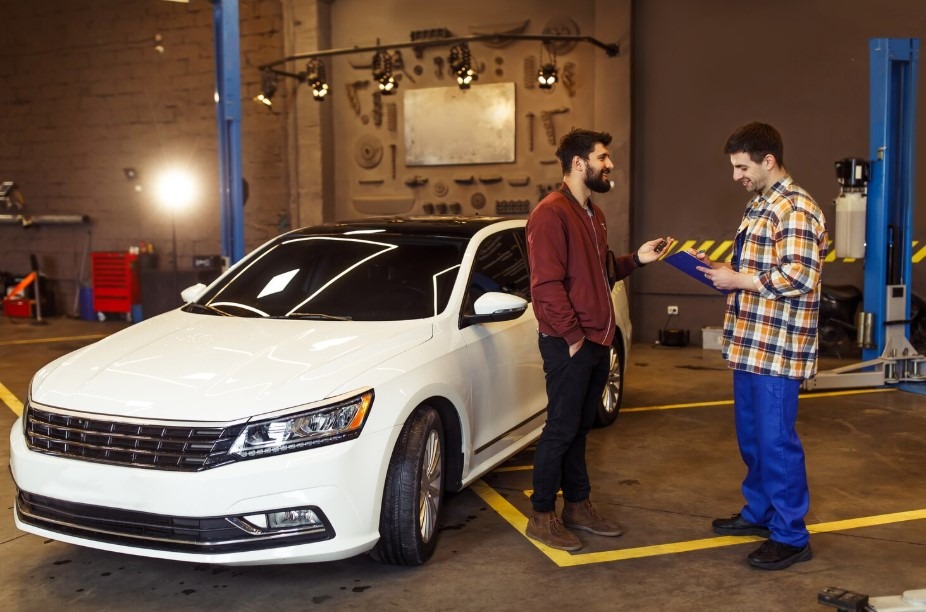
Electric vehicles feel simple and modern at first glance, especially when compared with traditional petrol or diesel cars. Many buyers assume EVs require almost no maintenance at all, which creates unrealistic expectations over time. The reality is slightly different because electric vehicles still depend on mechanical parts, software systems, and battery health management. Small mistakes in daily usage slowly reduce performance without obvious warning signs appearing early.
Owners often enjoy the smooth driving experience and quiet operation during regular commutes every day. That comfort sometimes hides deeper issues developing inside battery systems and supporting components gradually. Understanding how EVs behave over time helps prevent expensive mistakes later during long-term ownership.
Charging Habits Affect Range
Charging behavior plays a major role in how electric vehicles perform over long periods of use. Many drivers plug in their vehicles randomly without considering optimal charging patterns recommended by manufacturers carefully. Frequent fast charging may feel convenient but it increases heat stress on battery cells continuously.
Overnight slow charging usually keeps battery health more stable compared with repeated high-speed charging sessions daily. Some owners also charge only when battery levels drop extremely low, which creates unnecessary stress cycles internally. Consistent mid-range charging habits generally support better long-term battery stability and driving range performance overall.
Leaving vehicles plugged in at 100 percent for long durations may also affect battery efficiency gradually. Battery management systems try to protect cells, but user behavior still influences degradation speed noticeably over time. Good charging habits often separate long-lasting EV batteries from those that degrade faster than expected.
Battery Degradation Happens Quietly
Battery wear is one of the most important yet least visible issues in electric vehicles today. Unlike engine problems in traditional cars, battery degradation does not create loud warning signals immediately. Instead, range slowly decreases over months or years without dramatic changes noticed during short daily trips.
Temperature plays a major role in how fast battery health declines during long-term usage periods. Extremely hot climates accelerate chemical wear inside battery cells more quickly than moderate weather conditions generally. Cold weather also reduces temporary range performance even though long-term damage may not always occur immediately.
Frequent rapid acceleration and high-speed driving increase energy demand, which places additional stress on battery systems consistently. Drivers who use aggressive driving styles often notice faster range reduction compared with smoother driving patterns over time.
Monitoring range changes regularly helps identify early signs of battery decline before major issues develop further. Most modern EVs include health monitoring systems, but drivers should still observe real-world performance closely.
Software Updates Change Performance
Electric vehicles rely heavily on software systems controlling everything from battery management to acceleration response behavior. Manufacturers frequently release updates that improve efficiency, fix bugs, or adjust performance characteristics silently. These updates sometimes change driving feel without drivers immediately realizing what has been modified internally.
Some updates improve range slightly by optimizing energy distribution across different driving conditions automatically. Others may adjust charging speed limits or thermal management settings to protect battery life better. In certain cases, users may notice reduced performance temporarily after updates are installed.
Many drivers ignore update notifications because they assume vehicles already work fine as they are. However, skipping updates may prevent access to important improvements or safety enhancements provided by manufacturers regularly. Keeping software updated ensures the vehicle operates with the latest optimized configurations available.
Connectivity also plays a role in how EV systems communicate with charging networks and mobile applications. Software issues can sometimes cause incorrect range readings or delayed system responses unexpectedly during usage.
Tire Wear In EVs
Electric vehicles often wear tires faster than traditional cars due to higher instant torque output. EV motors deliver full power instantly, which increases stress on tires during acceleration moments significantly. This performance advantage creates additional wear that many new owners do not expect initially.
Heavier vehicle weight also contributes to faster tire degradation compared with similar petrol-powered models. Battery packs add significant mass, which increases pressure on tires during braking and cornering movements continuously. Over time, this leads to more frequent tire replacement cycles for most EV owners.
Proper tire selection becomes very important for maintaining efficiency and driving comfort over long distances. Low rolling resistance tires help improve range and reduce unnecessary energy loss during motion. Regular rotation also helps distribute wear evenly across all four wheels effectively.
Ignoring tire maintenance in EVs can reduce safety and efficiency at the same time. Uneven tire wear affects braking distance and stability, especially during wet or slippery road conditions.
Brake Wear Regeneration Effect
One advantage of electric vehicles is regenerative braking, which reduces traditional brake wear significantly. However, this system also changes how drivers experience braking over time. Many owners become dependent on regenerative braking and rarely use physical brake systems heavily.
While brake pads may last longer, they still require periodic inspection and maintenance over time. Dust, rust, and moisture can affect brake components even when they are not used frequently. This creates a false sense of “maintenance-free braking” among some EV owners.
In rare cases, lack of usage may cause brake components to seize or perform poorly during emergencies. Regular servicing ensures both regenerative and mechanical braking systems remain functional and safe.
Drivers should also understand that regenerative braking behavior varies depending on battery charge levels. When batteries are full, regenerative braking may reduce temporarily, changing vehicle handling slightly during driving.
Charging Infrastructure Limits Travel
Charging infrastructure plays a major role in EV usability, especially during long-distance travel situations. Urban areas often have better charging availability compared with rural or remote regions. This difference creates planning challenges for drivers traveling outside major cities regularly.
Charging times vary depending on station type, battery size, and current charge levels significantly. Fast chargers reduce waiting time but may not always be available when needed during travel. Slower chargers require longer stops, which affects trip planning and convenience overall.
Some charging stations may also experience downtime or compatibility issues with certain vehicle models unexpectedly. This creates uncertainty for drivers relying heavily on public charging networks during journeys.
Route planning becomes essential for avoiding range anxiety and unexpected charging delays during travel. EV ownership requires a slightly different mindset compared with traditional fuel-based vehicles.
Maintenance Still Matters EVs
Many people believe electric vehicles require almost no maintenance, which is not completely accurate in reality. EVs have fewer moving engine parts but still depend on multiple mechanical and electronic systems.
Cooling systems, suspension components, steering mechanisms, and electrical wiring all require periodic inspection over time. Ignoring these systems can lead to performance issues or unexpected failures during usage.
Brake fluid, cabin filters, and coolant still need replacement according to manufacturer schedules regularly. Even though engines are absent, overall vehicle health still depends on proper servicing routines consistently.
Preventive maintenance ensures EVs remain efficient, safe, and reliable throughout long-term ownership periods without unnecessary breakdowns.
Weather Impacts Battery Range
Weather conditions strongly influence electric vehicle performance more than many new owners expect initially. High temperatures increase cooling demands and may reduce battery efficiency during extended driving periods. Cold temperatures reduce chemical activity inside batteries, leading to temporary range loss.
Air conditioning usage also affects energy consumption significantly during extreme weather conditions outside. Heating systems in winter can reduce driving range noticeably if used continuously during trips.
Parking in shaded or controlled environments helps maintain more stable battery temperatures throughout the day. Pre-conditioning features allow vehicles to adjust cabin temperature while still connected to charging power.
Weather-based range variations are normal in EVs and should not always be considered faults or defects. Understanding these patterns helps drivers plan trips more effectively throughout different seasons.
Cost Misunderstandings EV Owners
Many buyers assume electric vehicles are always cheaper to operate in every situation automatically. While energy costs are generally lower compared with fuel expenses, other costs still exist over time. Battery replacement, tire wear, and specialized repairs can sometimes become expensive depending on usage patterns.
Insurance premiums for EVs may also be higher in some regions due to repair complexity. Charging equipment installation at home adds initial setup costs for many new owners.
Long-term savings depend heavily on driving habits, charging patterns, and maintenance discipline over ownership years. Misunderstanding total ownership cost often leads to unrealistic expectations about EV affordability.
Careful planning and awareness help avoid financial surprises later during extended usage periods.
Conclusion
Electric vehicles offer modern efficiency and smooth driving experiences, but they still require attention and responsible usage habits. Many hidden factors like battery care, tire wear, software updates, and charging behavior influence long-term performance more than expected. Understanding these details helps owners get better value and reliability from their vehicles over time.
EV ownership becomes far more practical when drivers stay informed and consistent with maintenance routines. proautohelps.com/ continues sharing practical automotive knowledge that helps users understand both traditional and electric vehicle systems in a simple and realistic way. Responsible driving, proper charging habits, and regular inspections ensure smoother performance and longer vehicle life. Stay informed, maintain your vehicle properly, and plan ahead for better long-term EV ownership experience.
Read also:-